Analog Devices Deepens Robotics Push With MassRobotics Partnership
Chip maker renews sponsorship to accelerate hardware development for autonomous systems startups through technical mentorship and engineering resources.
Humanoid robots, embodied AI, autonomous systems, and the hardware-software co-design making real-world robots possible.
Chip maker renews sponsorship to accelerate hardware development for autonomous systems startups through technical mentorship and engineering resources.
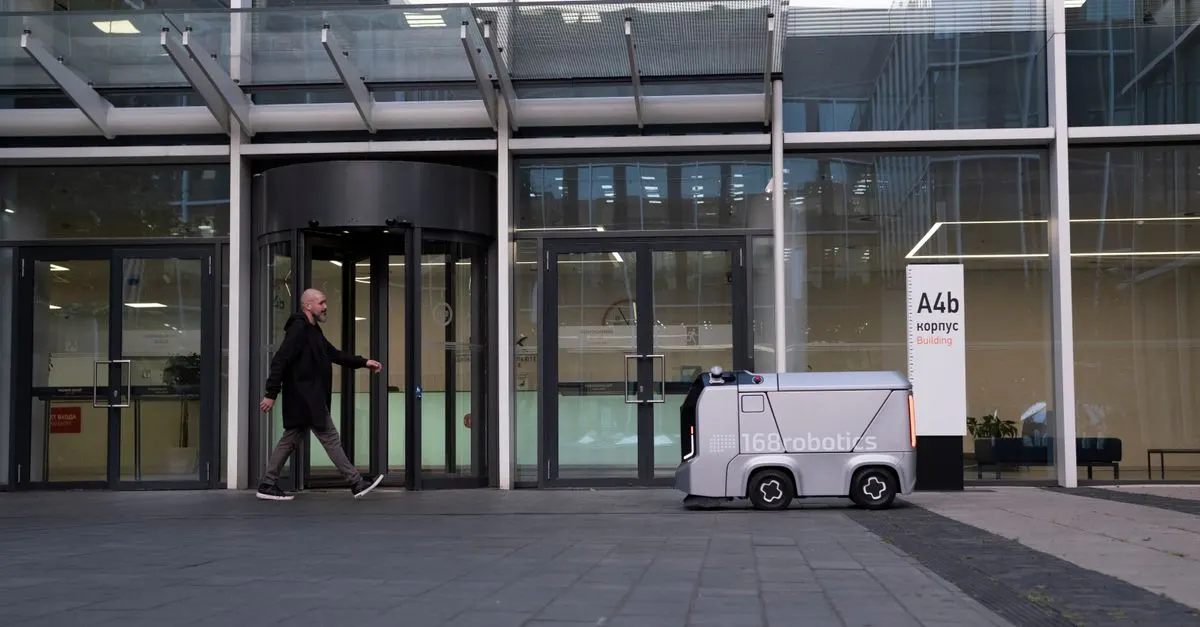
Industry veterans bring intelligent systems to order fulfillment, signaling major shift in how warehouses handle complex tasks.
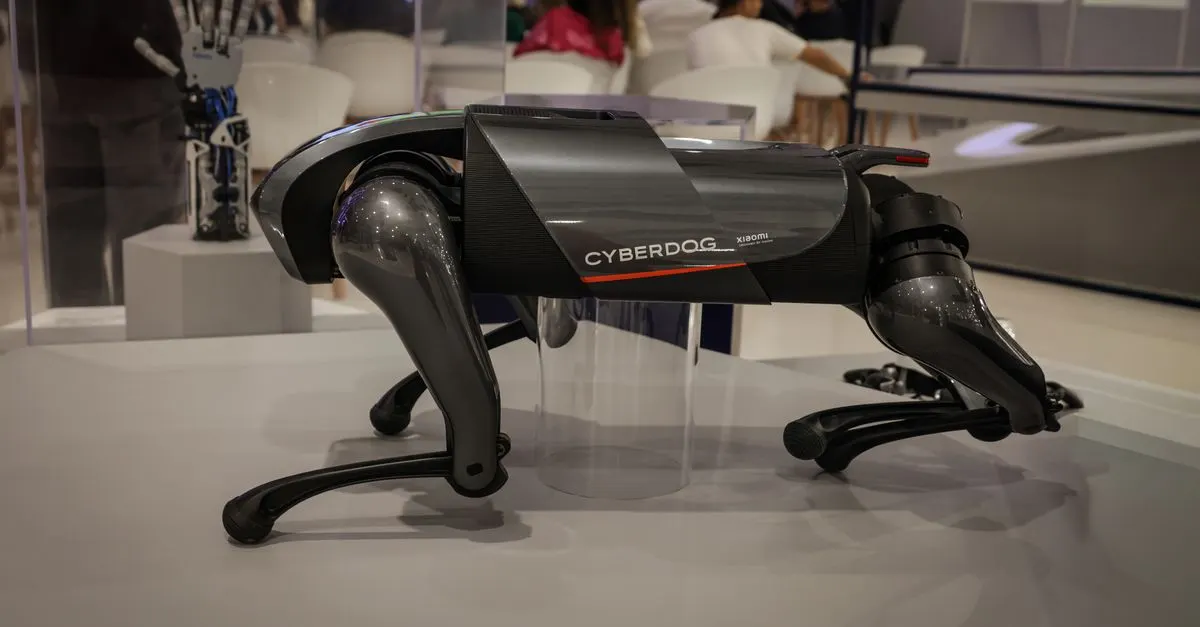
New platform combines tactile sensing, machine learning, and data capture to automate skilled industrial work currently limited by labor shortages.

Pentagon-backed competition demonstrates radical approaches to autonomous cargo transport, signaling new era in military robotics.
A new system called SceneSmith harnesses multi-modal AI to automatically create photorealistic 3D environments, drastically reducing the time robots need to spend learning real-world tasks.
A new method synthesizes tens of thousands of hours of robot learning data from first-person video, potentially solving robotics' persistent data shortage.
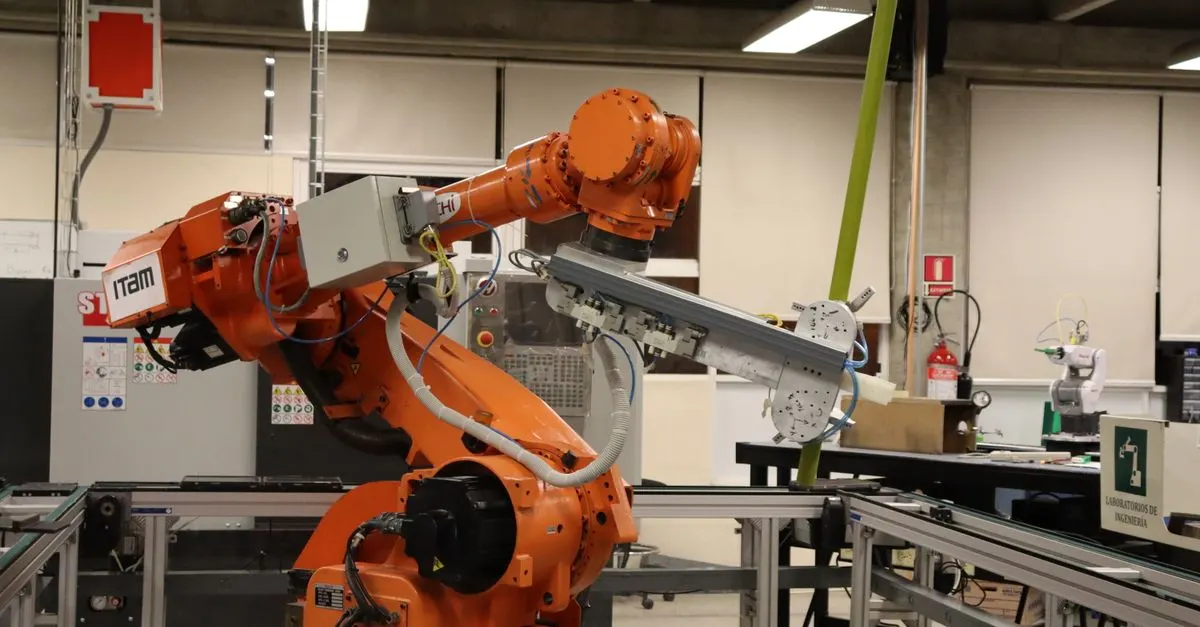
The move gives the Illinois automation supplier direct ownership of critical reducer technology that powers its robotics systems.
Researchers unlock 6-DoF trajectory predictions directly from diffusion model internals, advancing robot learning without pixel generation.

Scientists use AI simulation and biomimetic robots to understand how embodied systems process sensory information without invasive animal experiments.

Researchers introduce first large-scale tactile foundation model that outperforms existing systems across multiple manipulation benchmarks.

July 2026 marked a turning point for physical AI adoption, with major funding rounds, breakthroughs in robot learning, and new U.S. trade restrictions reshaping the competitive landscape.
New regulatory scrutiny on hardware imports forces the industry to reconsider how AI-powered automation should be deployed and validated.

The first integrated robotic surgery system embedded in operating tables promises to reclaim valuable OR space and reduce surgeon fatigue through AI-optimized workflows.
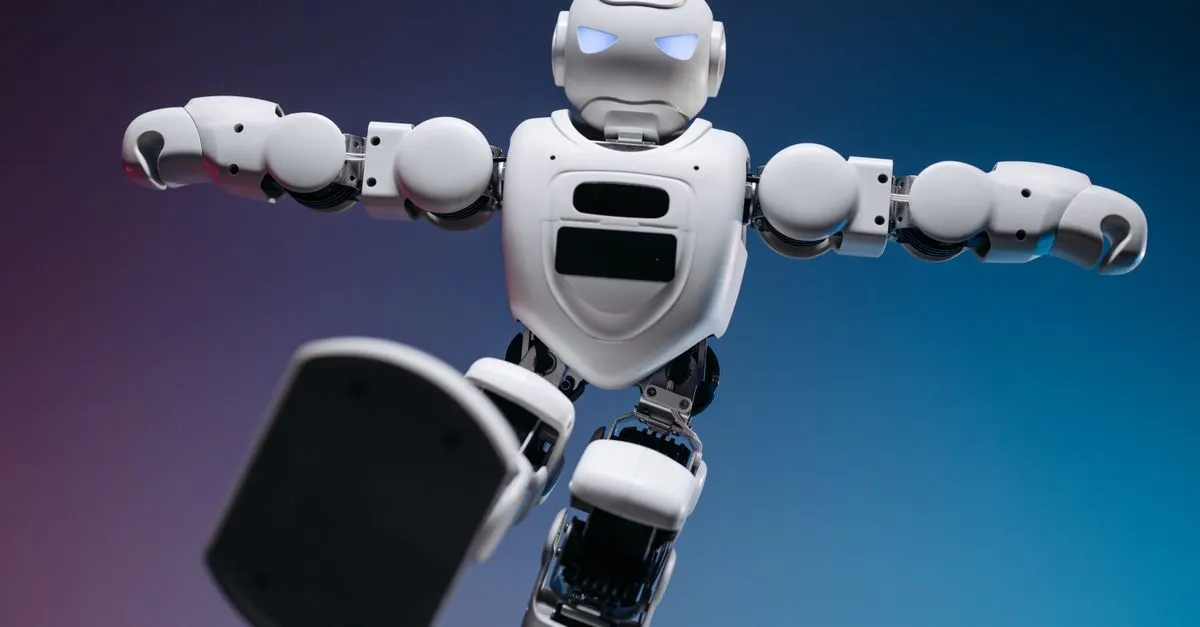
German startup launches network of specialized facilities to bridge the data gap between simulation and physical robot deployment.
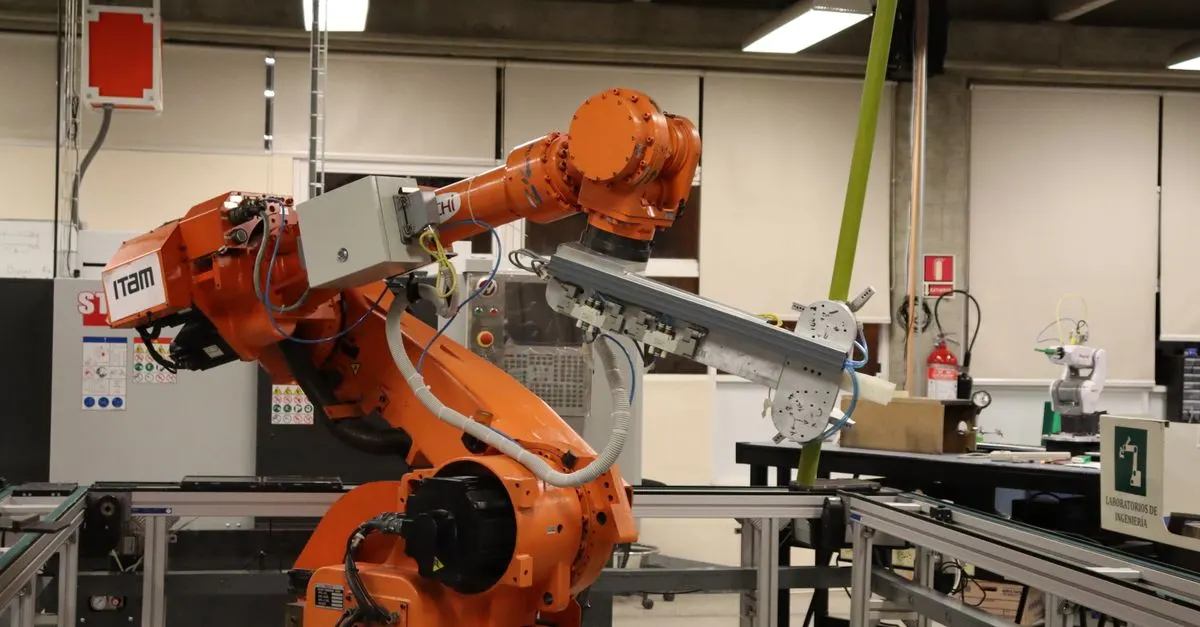
Specialized data platforms designed for temporal information are reshaping how manufacturing and automation systems process sensor data at scale.
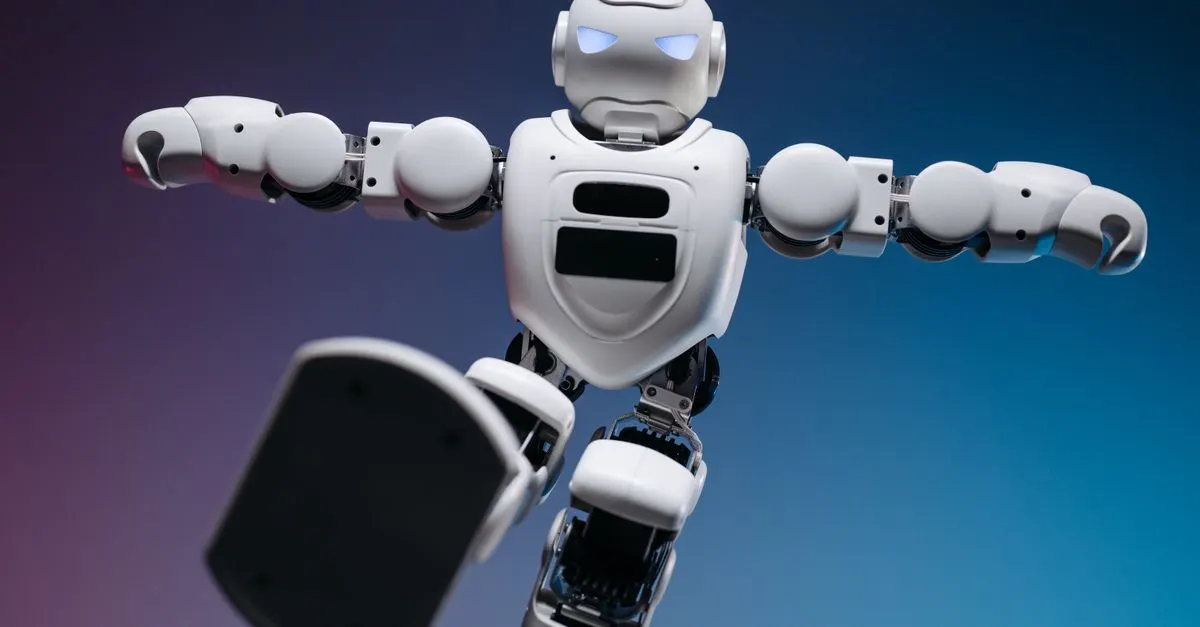
A single AI model trained across thousands of different end effectors demonstrates how robots can develop universal physical reasoning.
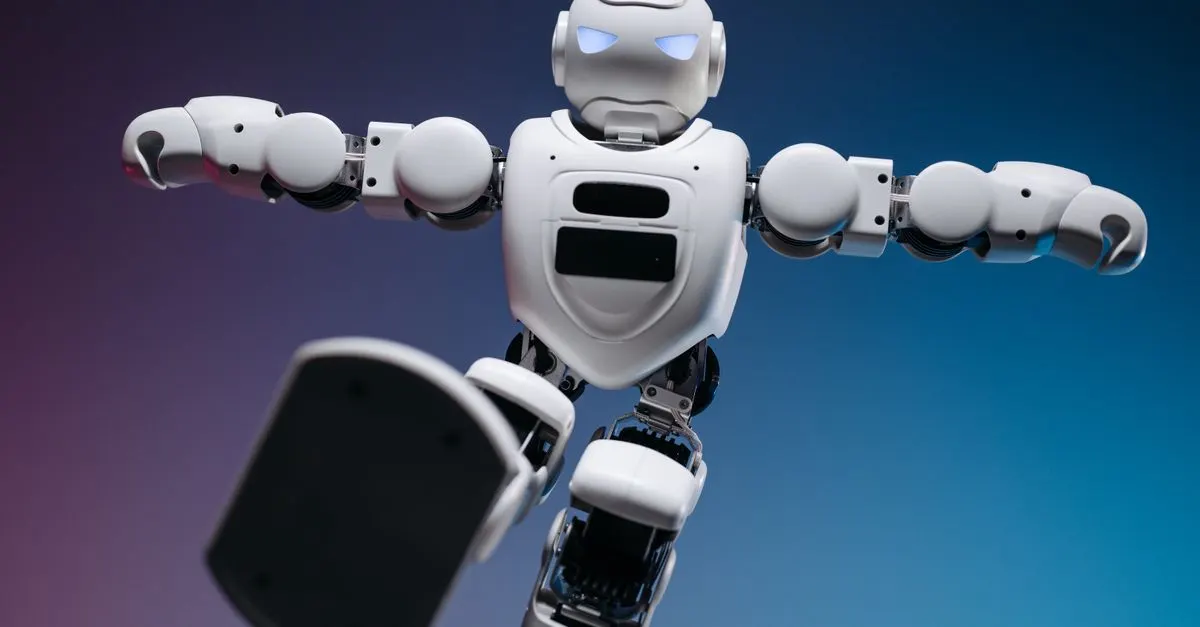
Latest robotics breakthroughs show physical AI moving from research labs into practical applications across manufacturing, logistics, and healthcare.
An amateur engineering group in Britain created an innovative bipedal robot that challenged assumptions about what unconventional propulsion systems could achieve.