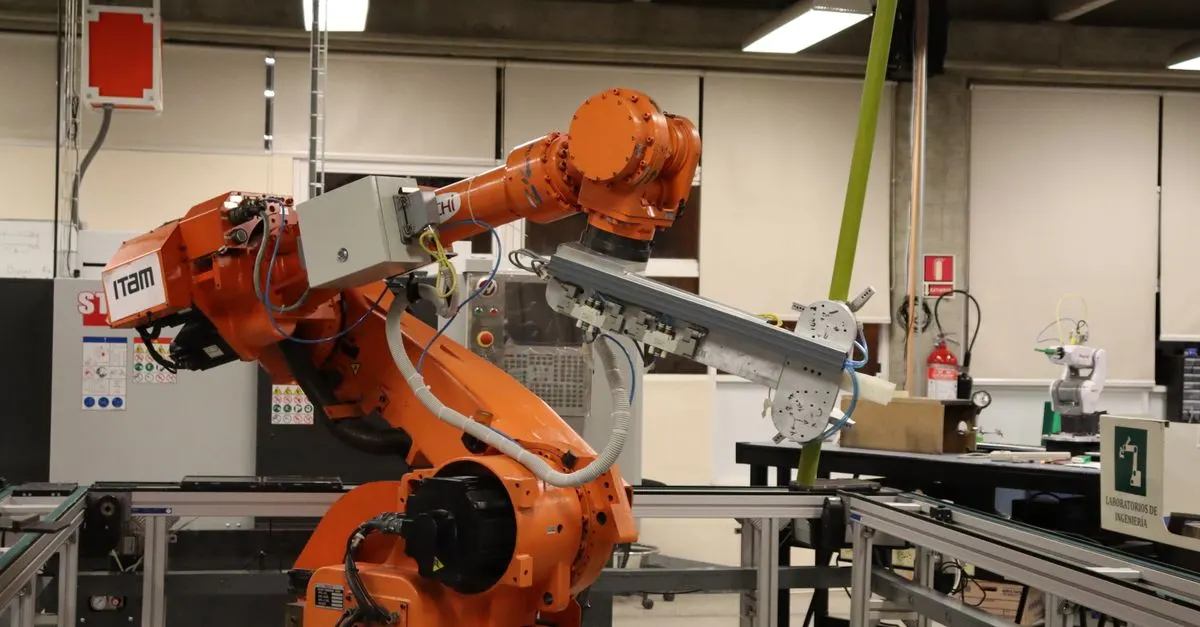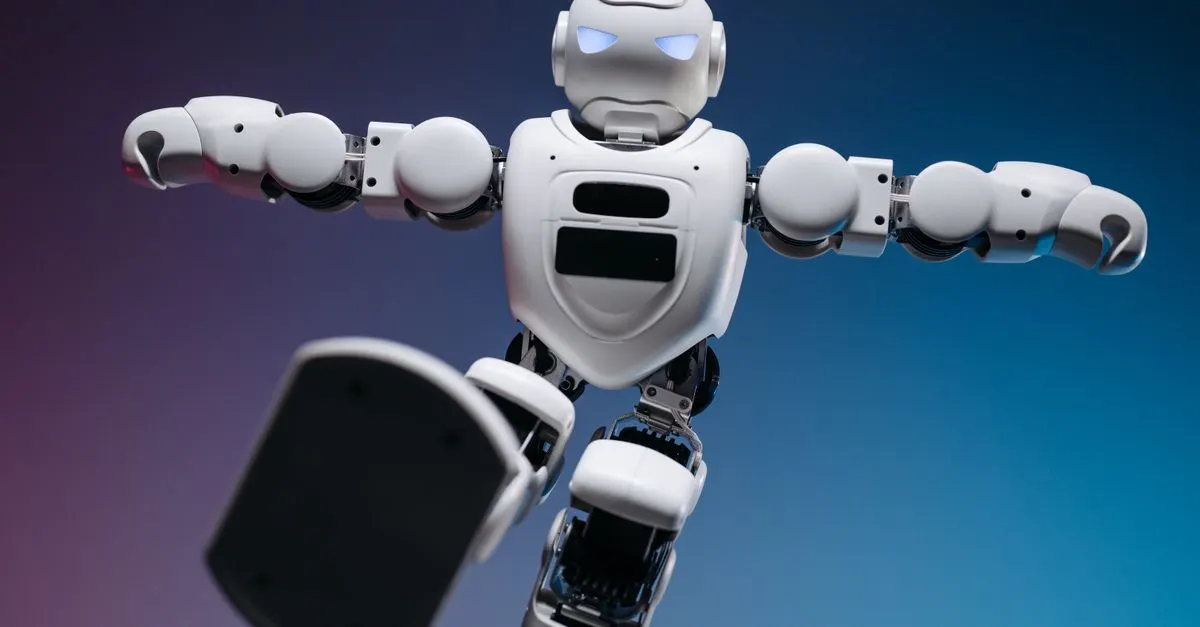
The challenge facing roboticists today mirrors a fundamental limitation in machine learning: robots lack access to the vast datasets that language models routinely use for training. While large language models draw from trillions of data points, embodied AI systems operate with a fraction of that information. This disparity has prompted NEURA Robotics, a German startup, to establish a network of specialized training environments designed to generate high-quality datasets for developing robots capable of real-world task execution.
According to The Robot Report, NEURA Robotics has partnered with RWTH Aachen University to create the first facility in what will become a ten-location global network spanning Europe, North America, and Asia. The company plans to have roughly half of these training centers operational by the end of 2026, with two locations confirmed in Germany.
Bridging Simulation and Reality
The core problem that NEURA Robotics aims to solve is straightforward yet critical: computer simulations cannot fully capture the complexity of physical environments. Real-world friction, material variability, and environmental unpredictability present challenges that purely virtual training environments struggle to replicate with sufficient fidelity. By combining controlled physical experimentation with high-fidelity computational modeling, these facilities will generate datasets that feed directly into Neuraverse, the company's cloud-based development platform.
The Aachen facility, located at Campus Melaten, will occupy approximately 3,000 square meters and serve as the flagship installation. A second German center, the TUM RoboGym near Munich in collaboration with the Technical University of Munich and its Munich Institute of Robotics and Machine Intelligence, will span more than 2,300 square meters and focus on testing fleets of humanoid and cognitive robots. Rather than imposing a one-size-fits-all model, NEURA Robotics intends for each facility to develop specialized capabilities based on regional expertise and partner requirements.
Industry Demand and Funding

The expansion reflects broader momentum in the robotics sector. Manufacturing, automotive, healthcare, and industrial automation companies have already expressed interest in accessing these facilities to prototype and validate systems before committing to expensive industrial deployments. This approach reduces adoption risk and accelerates the path from research to production.
NEURA Robotics is backing this ambitious expansion with recent Series C financing of up to $1.4 billion, signaling investor confidence in the company's vision for democratizing physical AI development. The funding underscores a shift in how the industry approaches robot training: rather than requiring each company to build proprietary datasets and infrastructure, shared facilities could accelerate innovation across the sector.
Strategic Positioning
The partnership with RWTH Aachen carries symbolic weight for Germany's technological standing. University leadership has framed the initiative as part of a broader strategy to maintain competitive advantage in artificial intelligence development. By coupling decades of established engineering and computer science excellence with a cutting-edge commercial venture, the arrangement attempts to position German institutions and companies at the forefront of physical AI advancement.
The success of these training centers could reshape how embodied AI systems are developed globally, establishing a model where shared infrastructure and collaborative knowledge reduce barriers to entry for robotics companies while generating the large-scale datasets necessary to train increasingly capable machines.