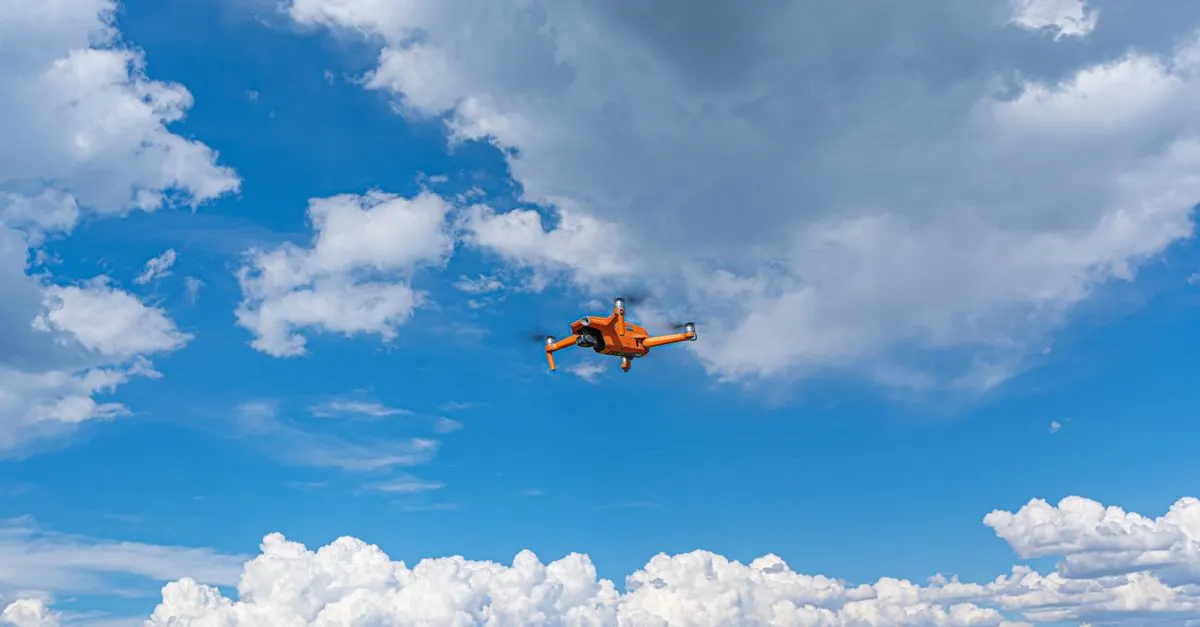
The Defense Advanced Research Projects Agency is pushing the boundaries of what autonomous aerial vehicles can accomplish through its Lift Challenge, an ongoing competition that highlights some of the most unconventional heavy-lift drone designs ever attempted. According to IEEE Spectrum Robotics, the event features aircraft that defy traditional rotorcraft conventions, offering a window into how engineers are rethinking payload delivery systems for defense and commercial applications.
The competition reflects a broader shift in how military and aerospace organizations approach autonomous systems. Rather than incremental improvements to existing platforms, DARPA has incentivized teams to explore fundamentally different architectures for transporting heavy loads. This approach has yielded designs that would seem impractical at first glance but represent genuine engineering innovation in the robotics space.
Real-World Applications Beyond Competition
The technological advances emerging from such competitions have immediate practical value. NASA is developing SkyFall helicopters intended for Mars operations that will carry specialized ground-penetrating radar equipment. These rotorcraft must deploy flexible, fabric-based antennas that extend during flight but retract without damage upon landing. This dual requirement exemplifies how modern autonomous systems must balance competing engineering constraints that manual aircraft can largely ignore.
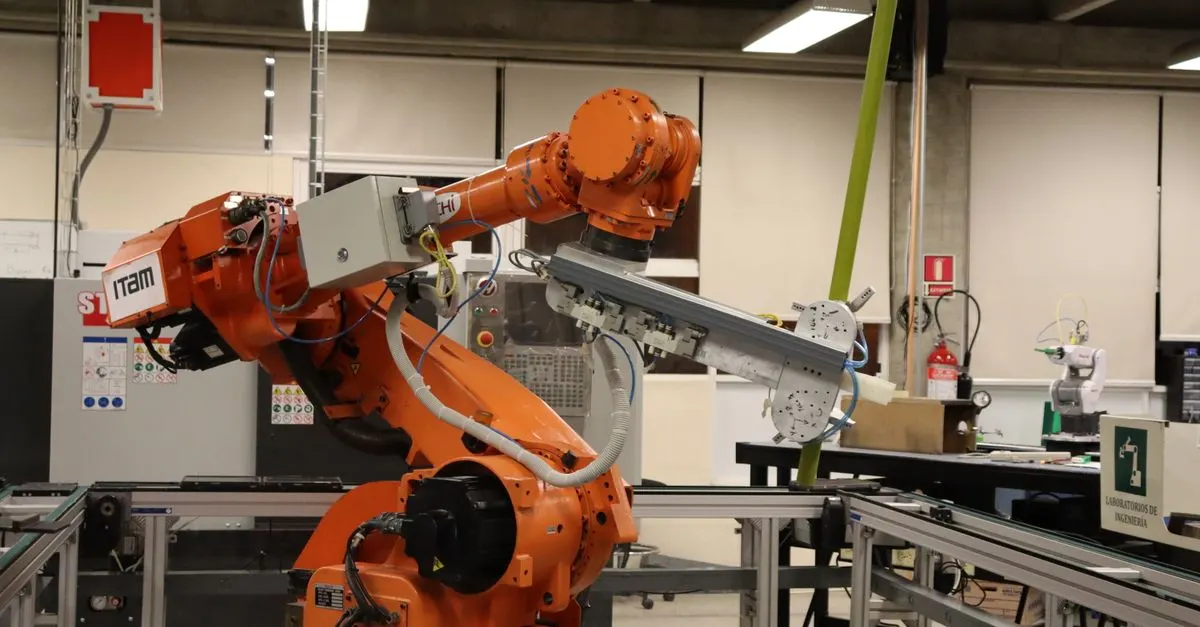
In parallel, the robotics field is advancing in dexterous manipulation and adaptive learning. Generalist robotics platforms are achieving 10 to 20 times performance improvements in learning efficiency for new actuator configurations and hardware platforms. Such gains directly translate to faster deployment of robotic systems in industrial environments where precision assembly and disassembly tasks demand reliability that equals or exceeds human capability.
Emerging Sensing and Control Paradigms
Beyond traditional visual navigation, researchers are exploring alternative sensing modalities for autonomous systems. A passive aeroacoustic perception framework called SonicFly enables one unmanned aerial vehicle to track and follow another using only the acoustic signature of flight itself. This approach reduces sensor load and demonstrates how robots can cooperate using minimal active sensing infrastructure.
Similarly, control methodologies are expanding. Touch-based control interfaces for assistive robots represent an important frontier in human-machine interaction, allowing operators to guide systems through direct tactile feedback rather than relying exclusively on visual feedback or complex command interfaces.
Design Philosophy and Humanoid Robotics
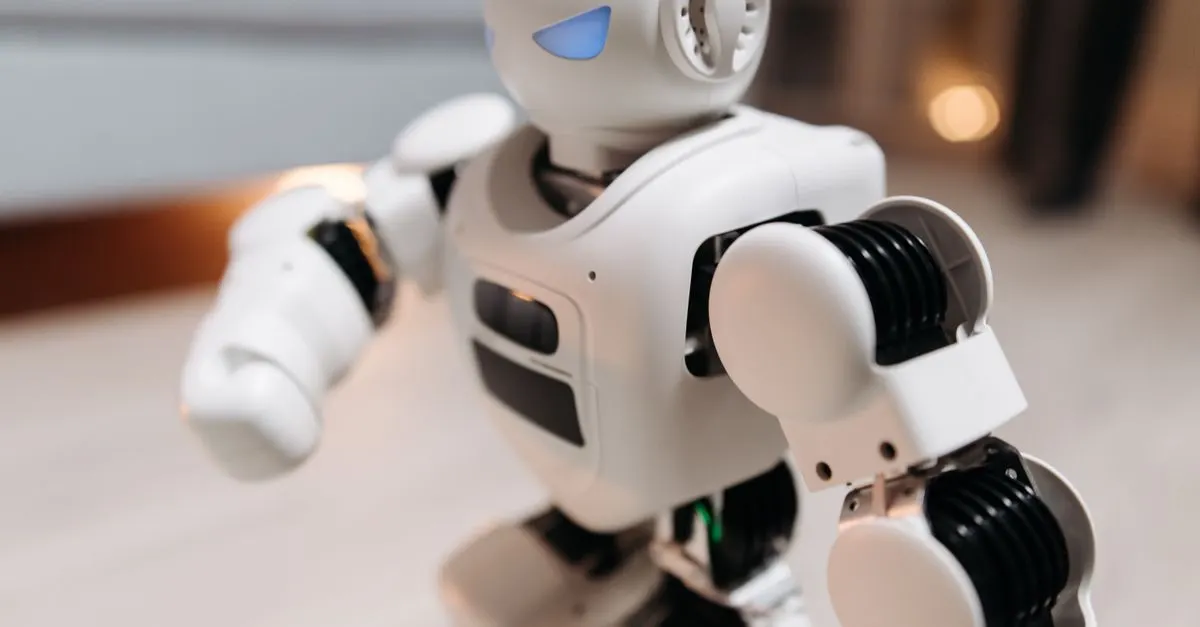
The broader robotics ecosystem continues exploring diverse morphologies. Generative Bionics has created humanoid platforms that prioritize aesthetic appeal alongside functional capability, suggesting that robot design increasingly balances practical performance with user acceptance considerations. Meanwhile, some teams are questioning conventional assumptions entirely, such as whether five-fingered anthropomorphic hands represent the optimal approach to robotic manipulation tasks.
These developments indicate the field is moving beyond mere replication of biological systems toward more pragmatic optimization for specific use cases. The DARPA competition and related research efforts suggest that the next decade will see increasing specialization, with designs tailored for particular missions rather than general-purpose platforms.
Live streams of the complete Lift Challenge event are available for those seeking detailed technical insights into how these systems perform under evaluation conditions.