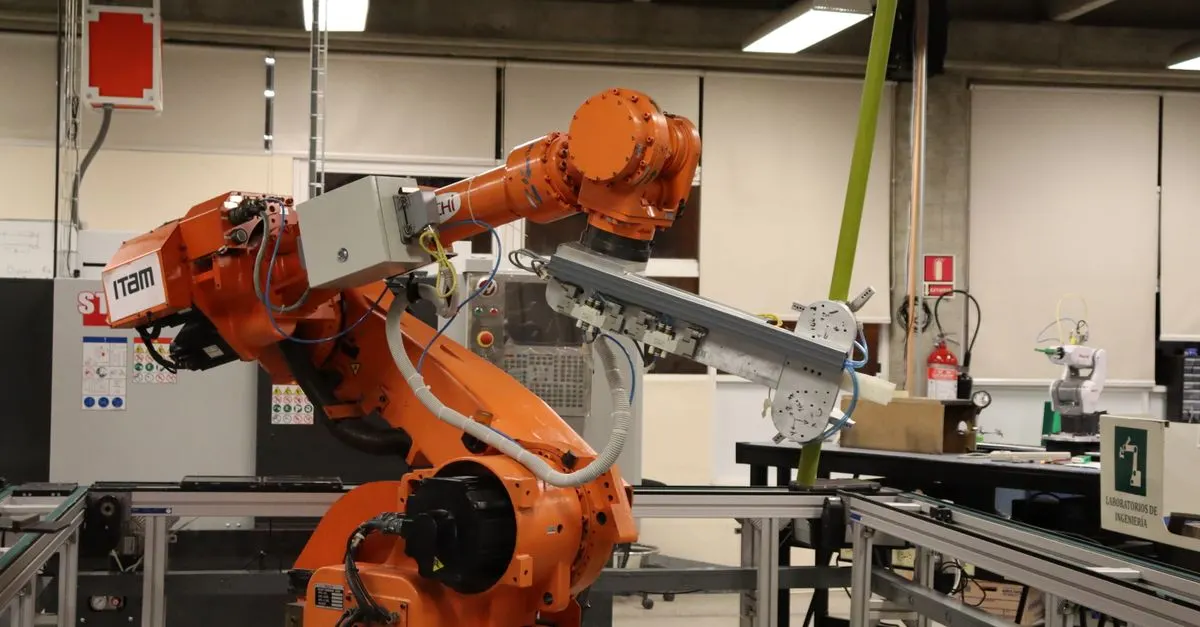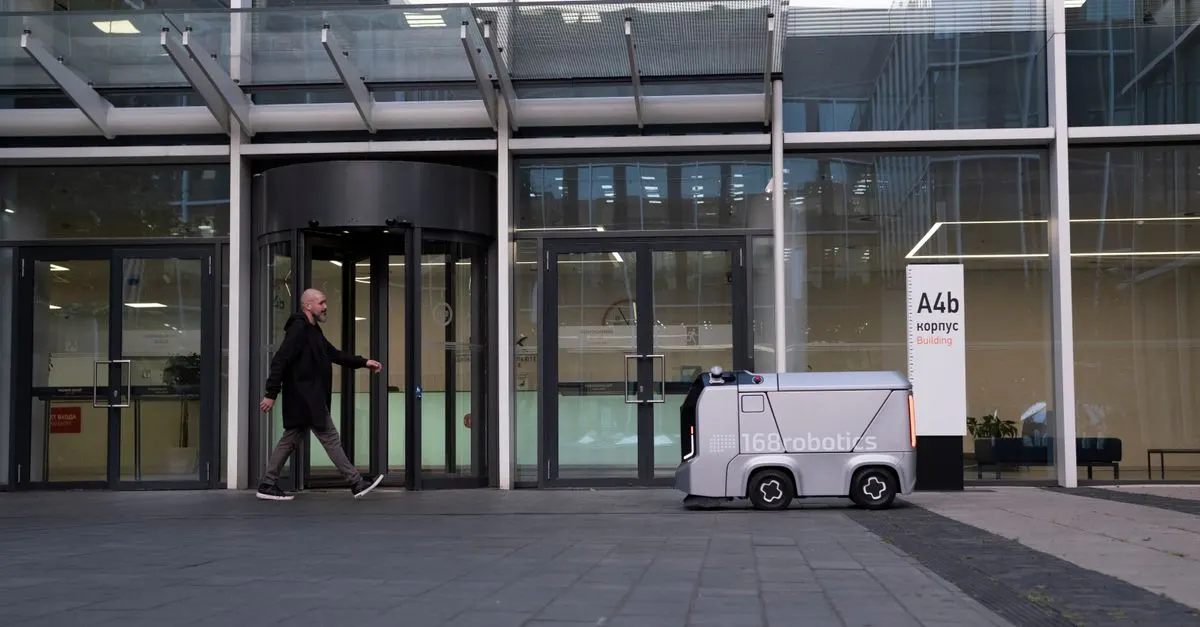
The Advanced Robotics for Manufacturing Institute has announced an ambitious initiative to harness artificial intelligence and robotic automation for critical defense applications. According to The Robot Report, the organization issued Project Call 27-01, a competitive funding solicitation designed to identify and develop cutting-edge technologies that could reshape how the Pentagon manufactures everything from munitions to naval vessels.
The initiative reflects a growing consensus among policymakers that AI-driven robotics represents a strategic advantage in both economic competitiveness and national security. By inviting submissions that bridge commercial and military manufacturing needs, the ARM Institute is attempting to create a ecosystem where innovations serve dual purposes: strengthening the defense industrial base while advancing broader U.S. manufacturing capabilities.
Scope and Technical Focus
Proposals must address specific defense manufacturing challenges across seven priority areas, including high-complexity casting operations, submarine construction, unmanned aircraft systems, hypersonic weapons production, and surge capacity planning. The institute emphasized that it welcomes projects tackling rapid production scaling and adaptive design manufacturing, recognizing that modern military needs demand unprecedented speed and flexibility.
On the artificial intelligence and robotics side, the call prioritizes several technical domains that reflect the current state of the field. These include multimodal AI inputs for manufacturing environments, dynamic task reallocation for robotic systems, human-robot collaboration with supervised autonomy, and real-time path planning algorithms. The emphasis on adaptive systems suggests the Pentagon's recognition that future conflicts may demand manufacturing infrastructure capable of responding to unforeseen threats.
Timeline and Participation Requirements

The submission process follows a staged schedule extending into 2028. Initial concept papers are due September 16, 2026, followed by presentation invitations in October and final selections announced in December. Awarded projects will commence execution in February 2027, with work concluding January 31, 2028.
Participation carries specific technical requirements. Submissions must target technology readiness levels between 4 and 7, meaning projects should be beyond theoretical research but not yet fully deployed at scale. All proposals must include validated transition plans demonstrating how technology will integrate into Department of War supply chains or commercial industrial partners.
Industry and Academic Collaboration
The ARM Institute, which operates as a Manufacturing Innovation Institute with federal funding, brings together more than 500 members across industry, academia, and government. The organization positions itself as a neutral convener capable of reducing funding barriers and engineering obstacles that might otherwise prevent promising innovations from reaching production deployment.
Technologies with strong potential for successful commercialization are highly desired, as this reduces DoW cost and acquisition barriers, the institute stated in its call materials.
An informational webinar scheduled for August 19 will provide detailed guidance to potential applicants. The institute encourages proposals from organizations willing to include Department of War stakeholders and commercial industrial base partners directly on project teams, viewing such collaboration as evidence of genuine transition viability.
For roboticists, machine learning researchers, and manufacturing technologists, the call represents a rare opportunity to secure substantial federal funding while addressing national security challenges. The emphasis on dual-use technologies also suggests the government recognizes that innovations developed for military manufacturing could benefit civilian industries facing their own production challenges.