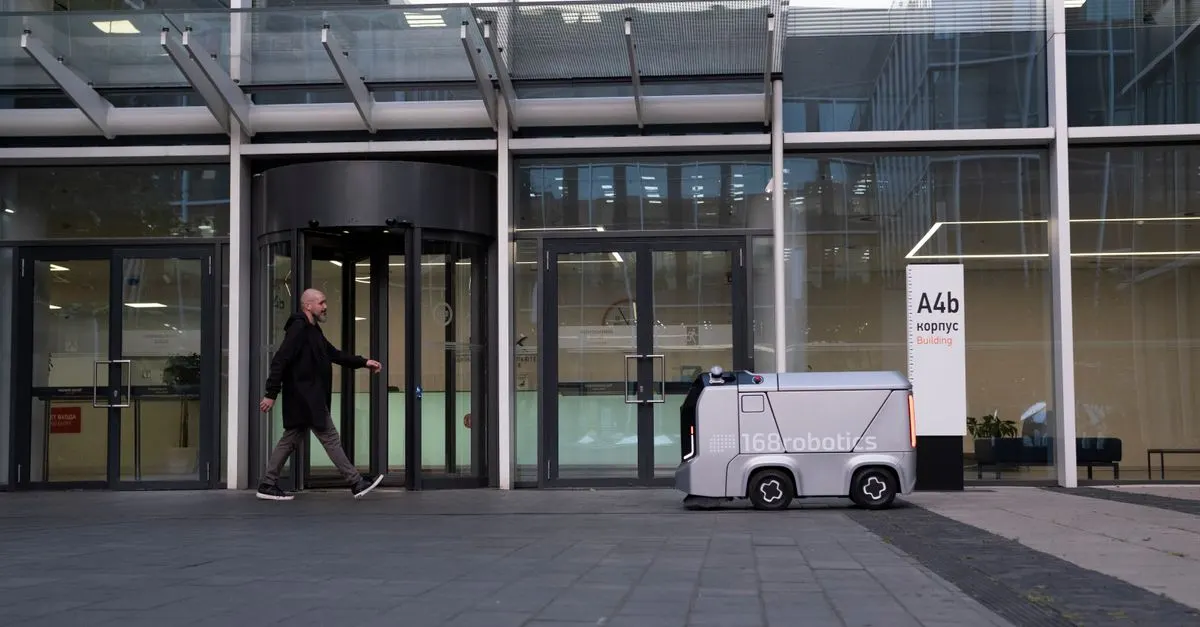
Factory Robotics Faces Deployment Crisis, Not Data Shortage
Inbolt argues physical AI's real bottleneck is integration complexity, not model training, based on 40 million real-world robot cycles.
Humanoid robots, embodied AI, autonomous systems, and the hardware-software co-design making real-world robots possible.
Inbolt argues physical AI's real bottleneck is integration complexity, not model training, based on 40 million real-world robot cycles.
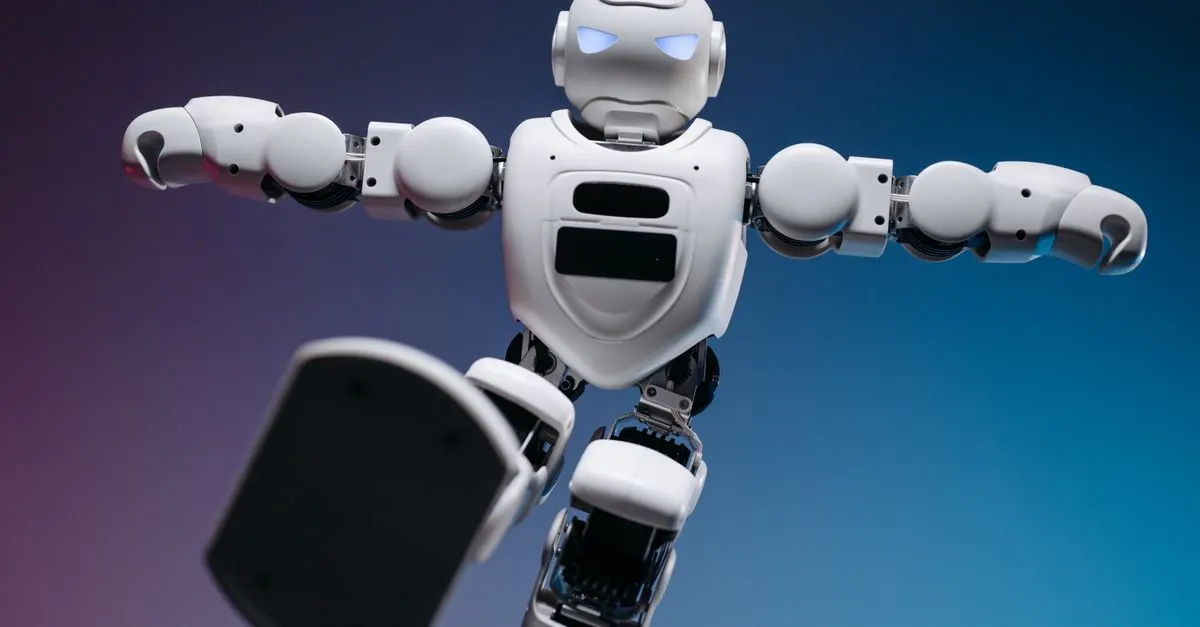
The ARM Institute launches 10 projects combining automation, machine learning, and workforce training to modernize U.S. defense production facilities.

New research reveals how attackers can manipulate robot behavior through compromised AI models, exploited systems, and runtime attacks without triggering conventional safety mechanisms.

Advances in autonomous systems and computer vision could push robotic lawn care adoption to 50% of U.S. households within eight years.
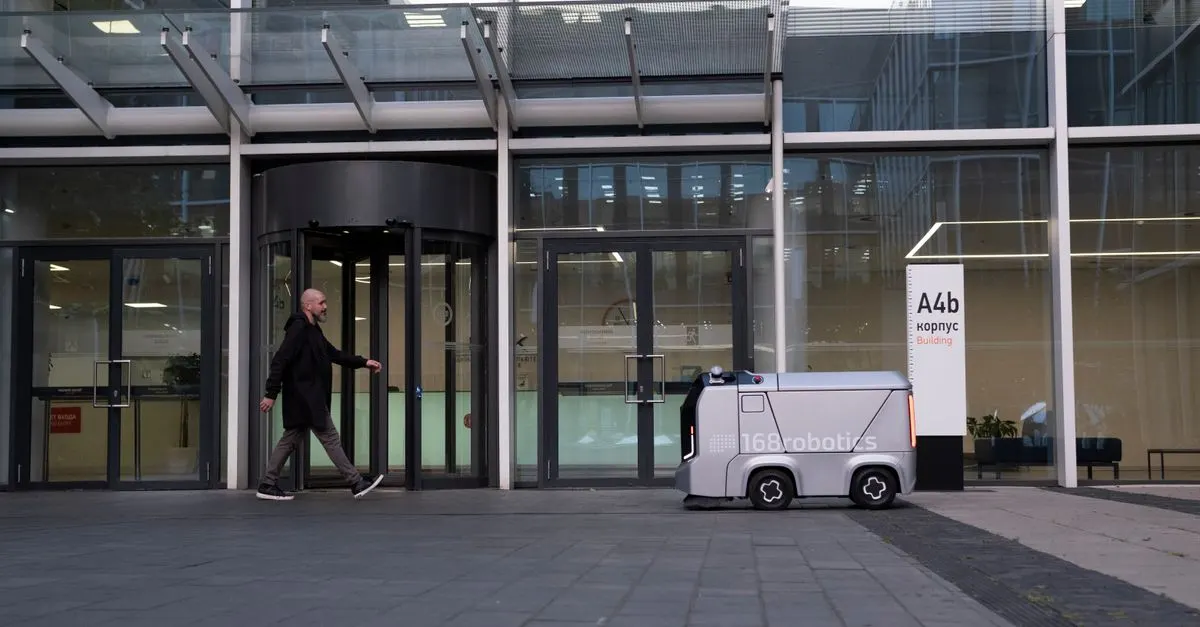
As robots move from pilot projects to widespread deployment, companies are discovering that managing the human workforce may be harder than building the machines themselves.
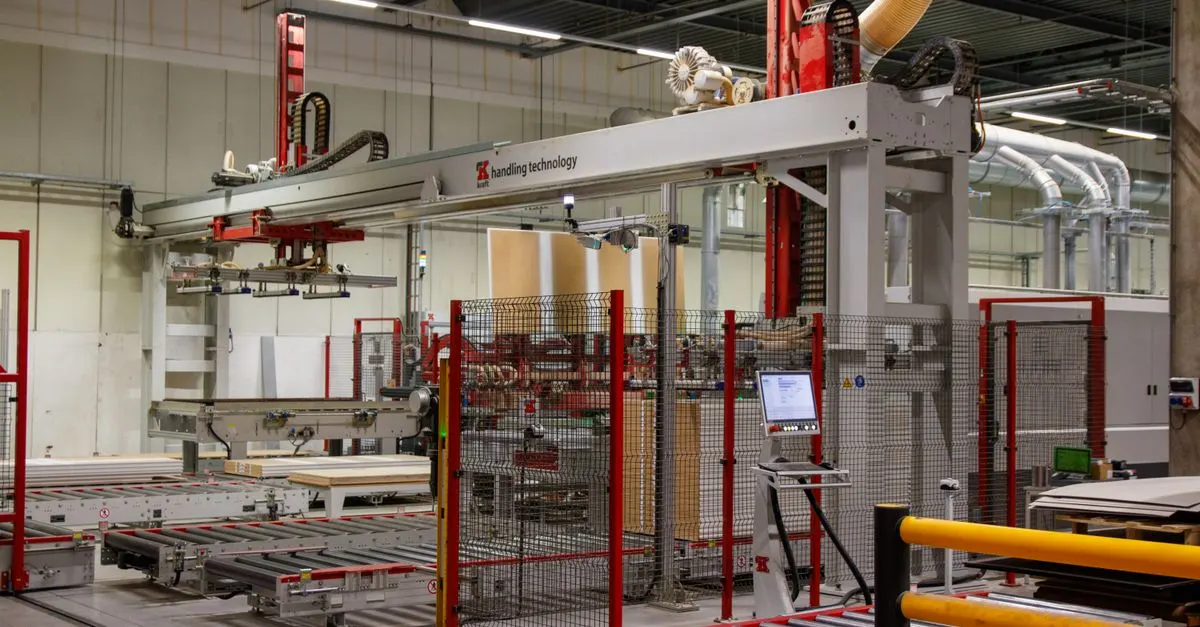
AI-powered control systems are breathing new life into aging equipment, allowing manufacturers to modernize without complete overhauls.
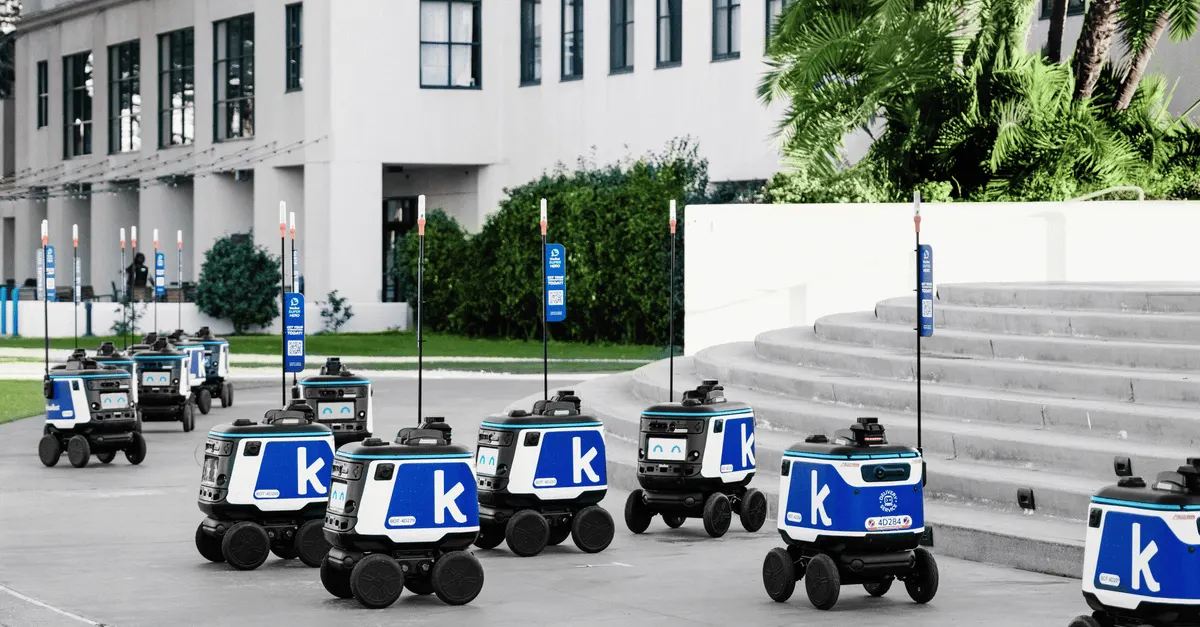
The company's trust platform aims to make human-robot collaboration safer and more scalable across industrial sectors.

Machine learning systems are personalizing neurological rehabilitation, accelerating brain rewiring while extending care beyond hospital walls.
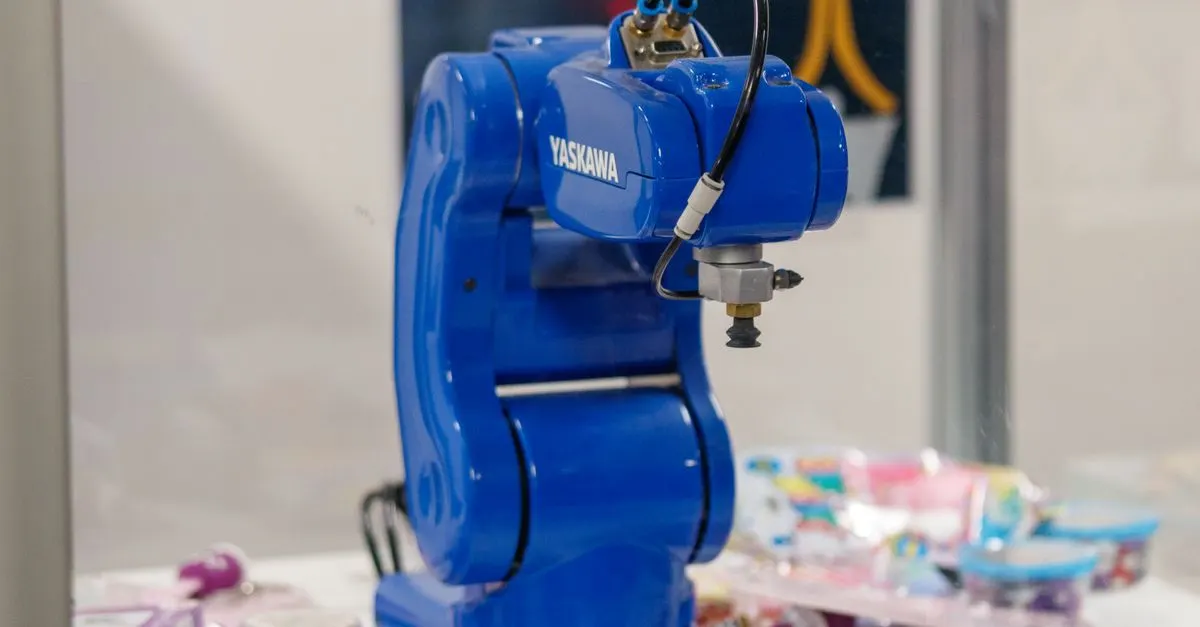
As humanoid robots advance in locomotion and sight, their inability to understand natural speech in real-world conditions threatens mainstream adoption.
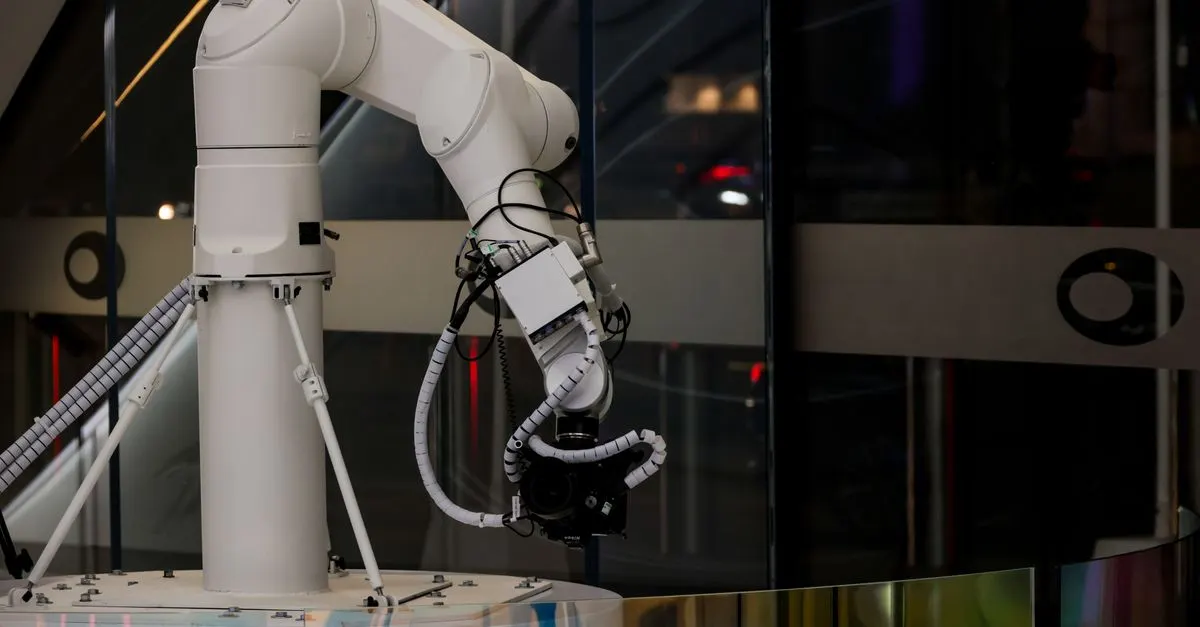
Advanced automation and machine learning are reshaping how quickly companies can move from digital designs to physical prototypes.
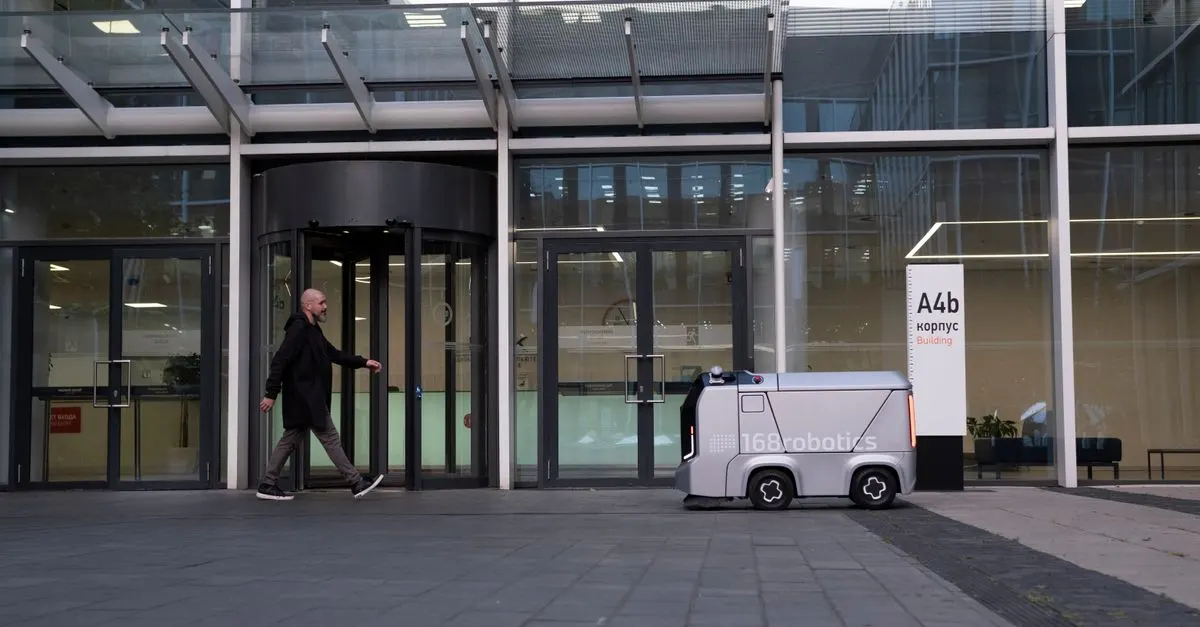
Recent breakthroughs demonstrate practical progress in legged locomotion, aerial delivery, and specialized robotic applications.
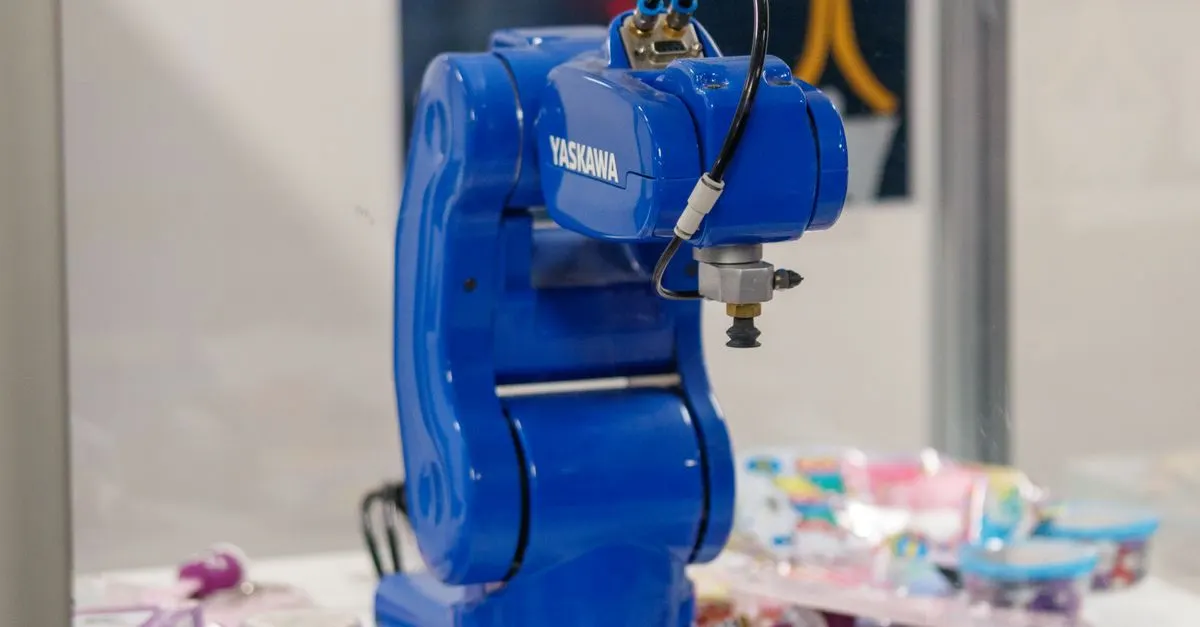
Researchers abandon anatomical mimicry for a minimalist approach that achieves superhuman dexterity at a fraction of the cost.
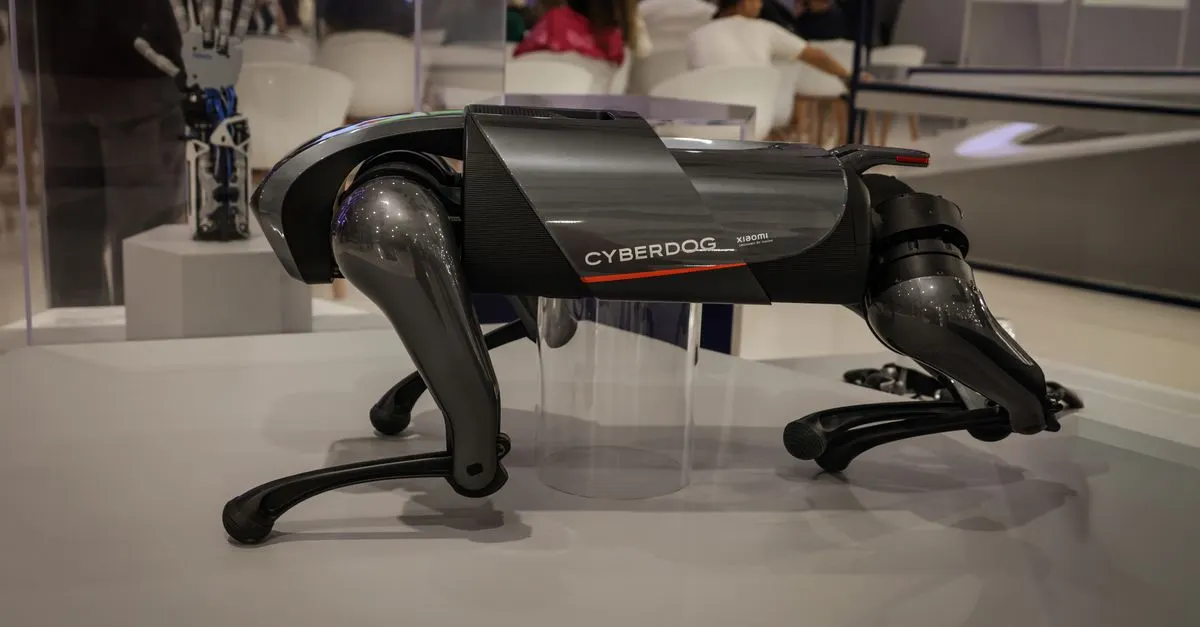
As labor shortages drive demand, companies like Agility bypass conventional public offerings for faster market access and strategic capital.

Researchers tackle the harder problem of social robots engaging multiple people simultaneously rather than one-on-one interactions.

Industry experts will dissect what humanoid robots can actually do today and what barriers must fall before they reshape manufacturing and logistics.
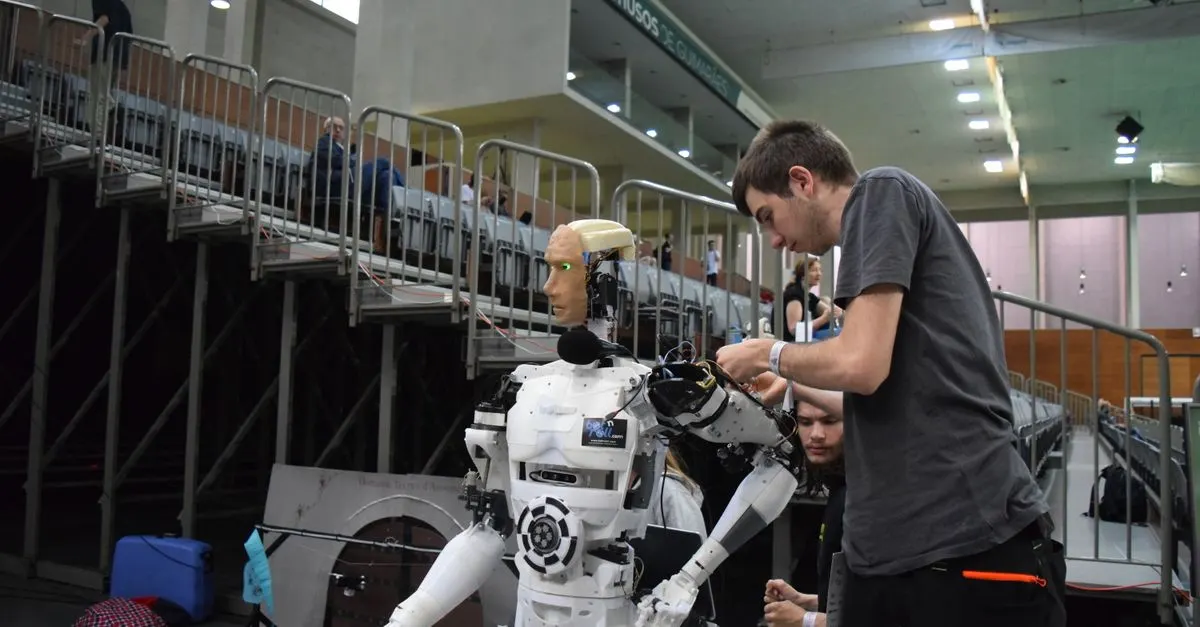
While humanoid startups grab headlines, mobile manipulators are already deployed in warehouses solving practical automation challenges.
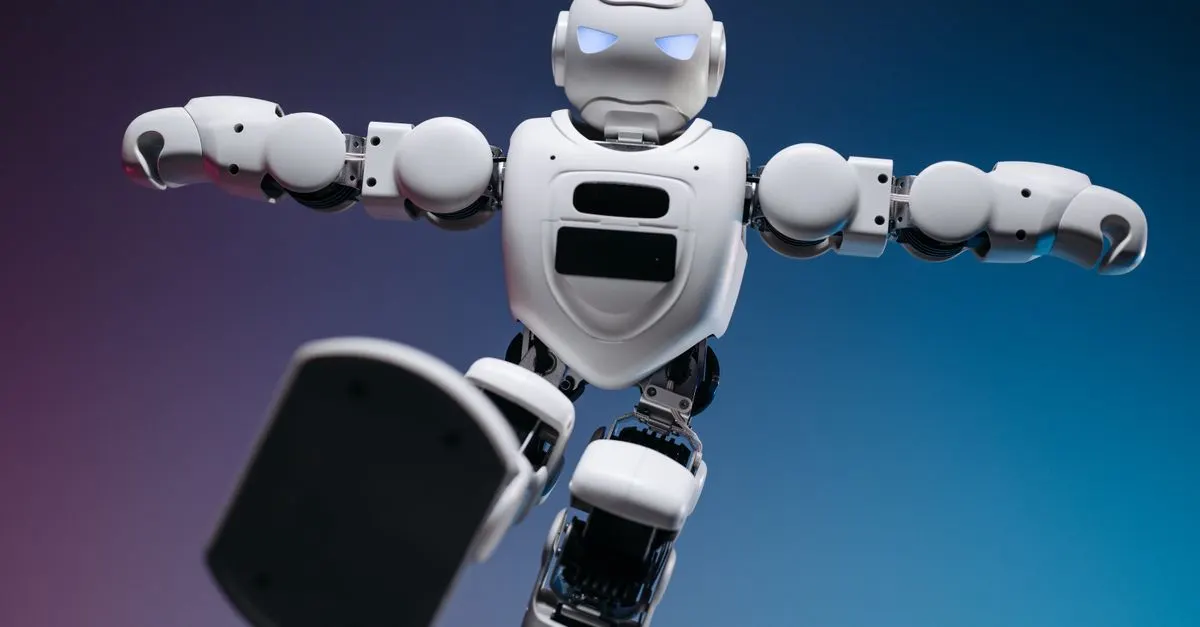
The ARM Institute launches a major funding call for autonomous systems and machine learning projects aimed at accelerating U.S. military production capabilities.
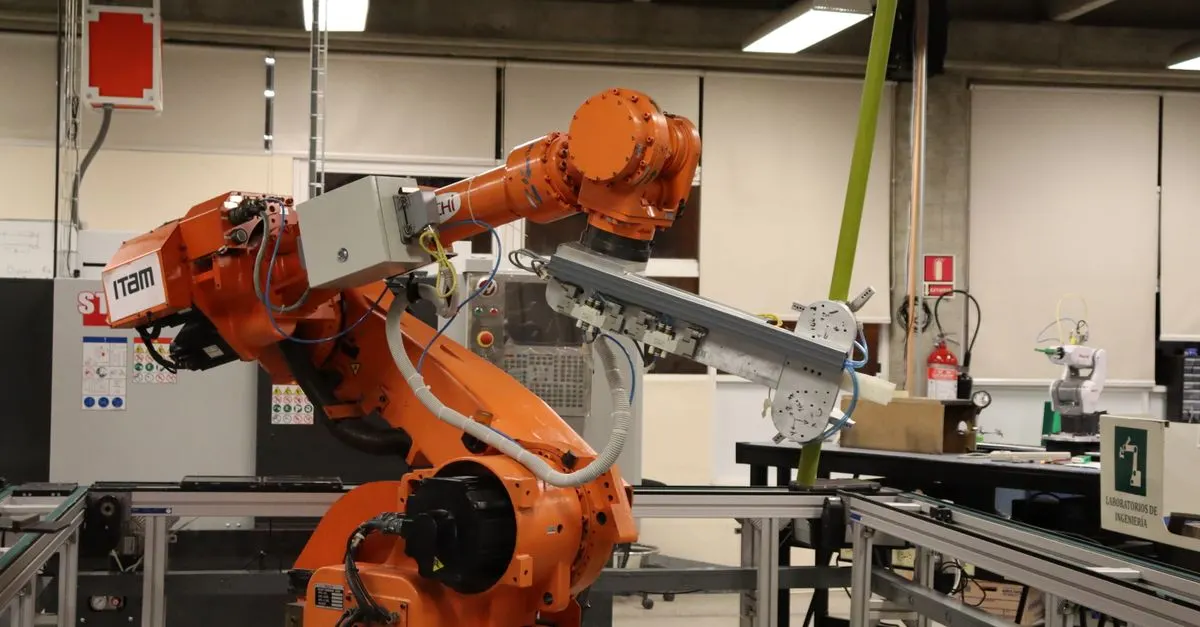
New Robo Inc. aims to build domestically-made automation solutions compliant with American regulations, signaling growing demand for localized robotics infrastructure.