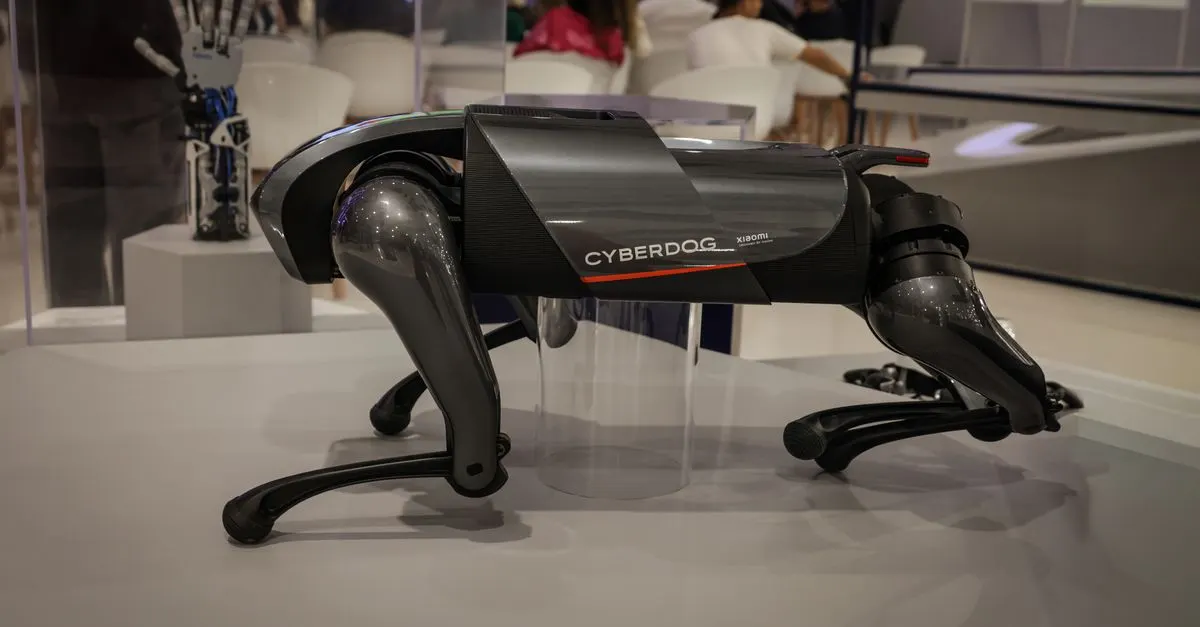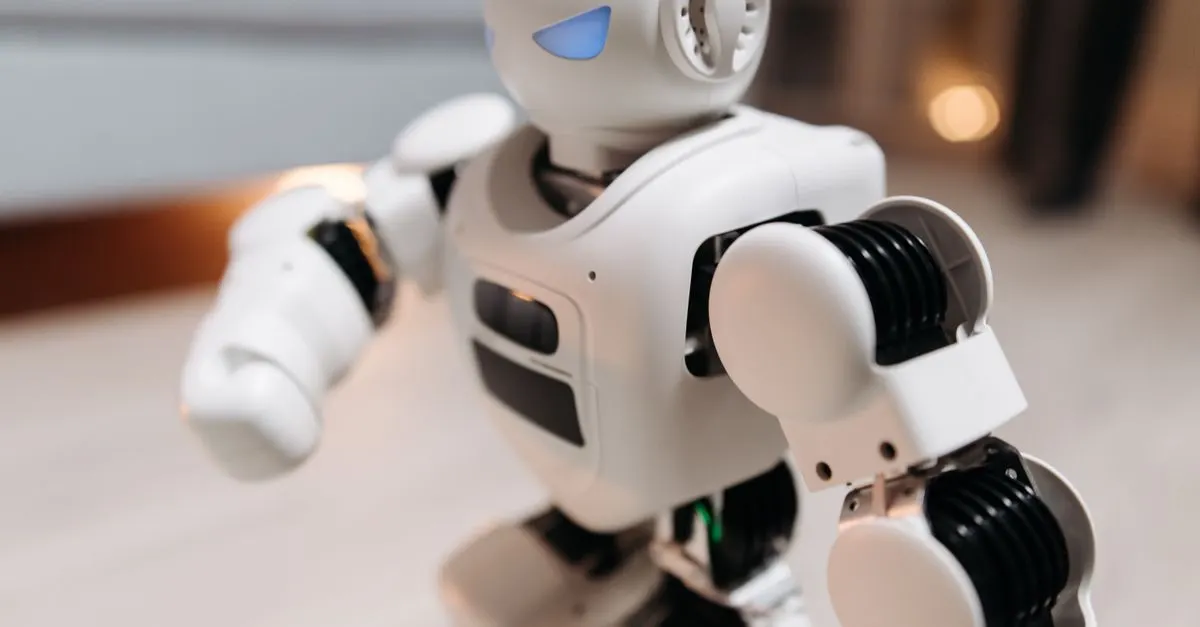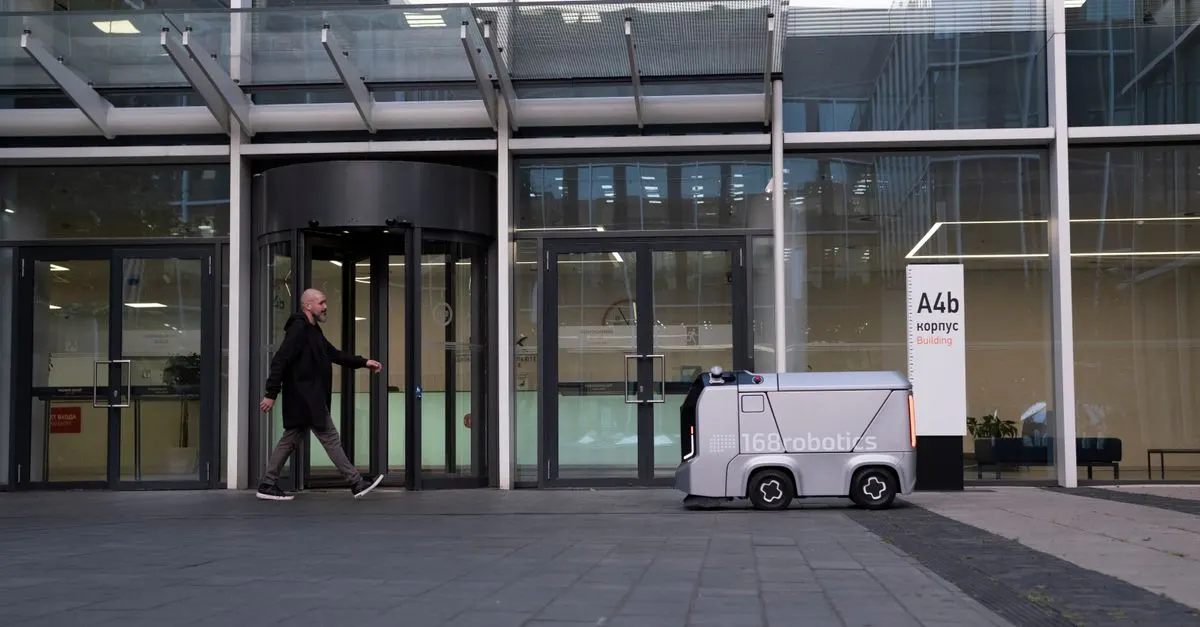
The warehouse robotics sector is experiencing a critical transition as companies deploy AI-driven systems capable of handling the unpredictability inherent in large-scale logistics operations. Nomagic, a robotics firm focused on intelligent automation, is positioning itself at the forefront of this evolution by expanding its presence across North America with technology designed to enhance order-fulfillment workflows.
The company's push into the North American market reflects broader industry momentum. According to The Robot Report, Josh Cloer, who leads Nomagic's North American operations, previously helped scale Mujin's presence in the region by building its market strategy from inception. His appointment signals the company's commitment to translating cutting-edge robotics research into deployable solutions for distribution centers and fulfillment hubs.
Warehouse automation has long struggled with a fundamental challenge: most environments feature high variability in product sizes, shapes, and packaging. Traditional robotics excel at repetitive, predictable tasks but falter when faced with novel scenarios. AI-powered systems address this gap by combining computer vision, machine learning models, and adaptive control systems that allow robots to understand their surroundings dynamically and adjust their behavior in real time.
The Competitive Landscape Heats Up
Nomagic's expansion comes amid intensifying competition in the logistics robotics space. Recent developments include HII's substantial investment in Path Robotics for manufacturing automation, and Google DeepMind's announcement of Gemini Robotics 2, which enables full-body motion control for humanoid systems. These parallel efforts underscore investor confidence that AI-augmented robotics can solve persistent supply chain bottlenecks.
What distinguishes modern warehouse robots from earlier generations is their capacity to learn from diverse operational contexts. Rather than requiring exhaustive programming for each task variant, these systems leverage neural networks and large-scale training datasets to generalize across scenarios. This adaptability reduces the customization overhead that previously limited robot deployments to high-volume, low-variety operations.
Why This Matters Now
- Labor shortages in warehousing continue to drive demand for automation solutions
- E-commerce growth requires fulfillment centers to process increasingly diverse product catalogs
- AI improvements in object recognition and manipulation planning now enable robots to handle previously intractable tasks
- Companies that master this transition gain significant competitive advantages in logistics costs
The convergence of advances in AI reasoning, sensor technology, and mechanical design suggests that intelligent warehouse robots represent a genuine inflection point rather than incremental progress. As systems like those being deployed by Nomagic prove their viability at scale, other logistics operators will face mounting pressure to adopt similar technologies or risk falling behind on operational efficiency.
The success of these deployments will ultimately hinge on whether AI systems can consistently handle the chaos of real warehouse environments. Early indicators suggest the technology has matured sufficiently to handle production workloads, but widespread adoption still requires resolution of integration challenges, cost structures, and regulatory questions around autonomous systems operating alongside human workers.