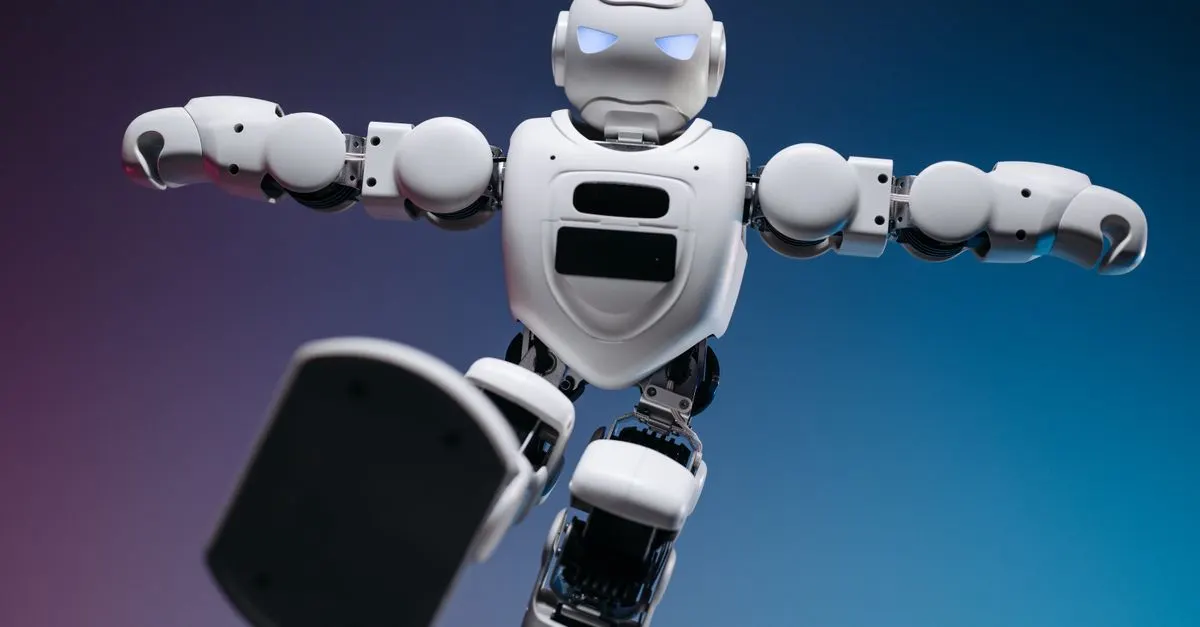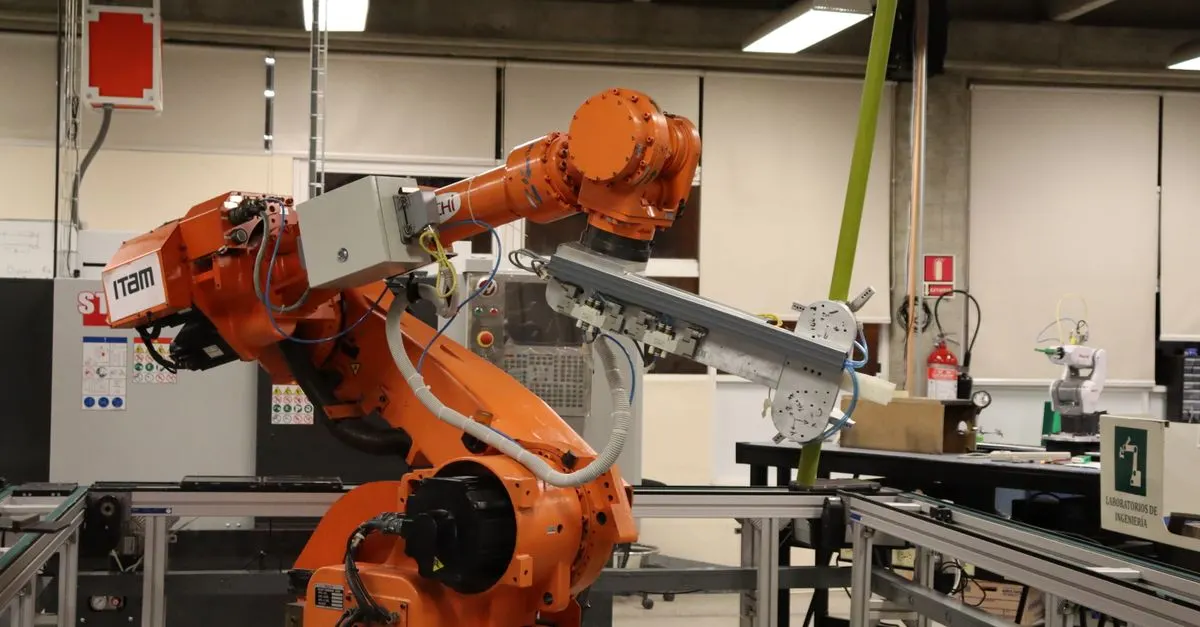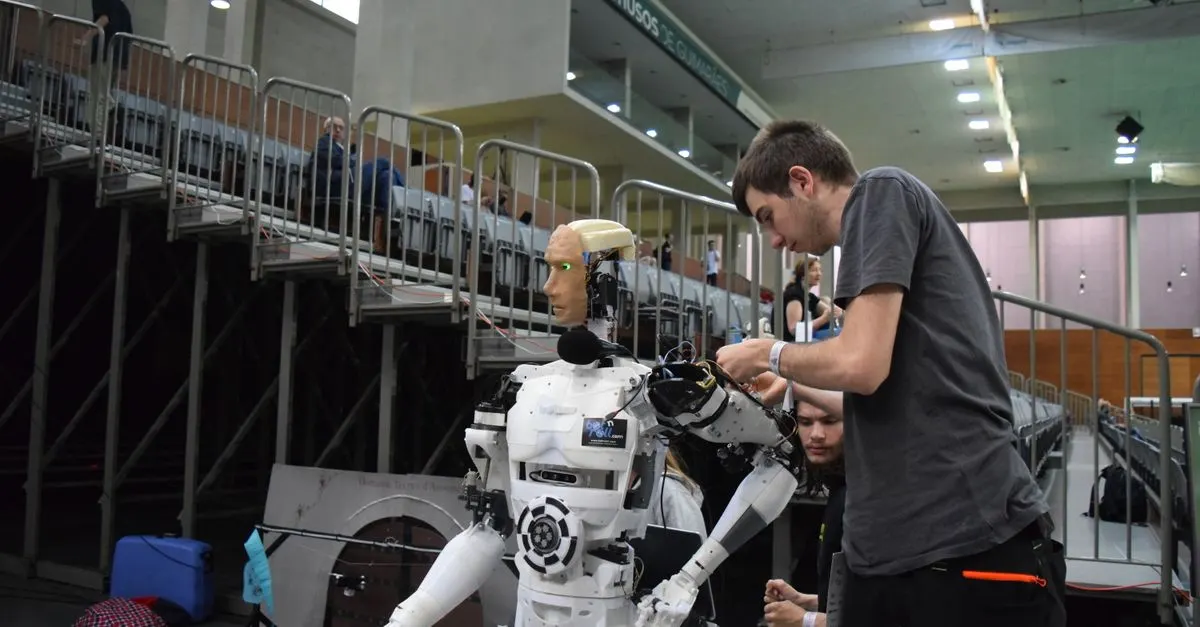
The robotics industry faces a curious disconnect: humanoid robots dominate venture capital and media coverage, yet the machines actually transforming warehouse and factory floors look nothing like humans. According to The Robot Report, semi-humanoid and non-humanoid mobile manipulators have already begun commercial deployments, even as dozens of humanoid startups remain in development stages despite drawing billions in funding.
This divergence reflects a fundamental tension in robotics engineering. Humanoid designs appeal to investors and capture public imagination, but practical automation often demands specialized configurations optimized for specific tasks rather than human-like general purpose machines.
The Technical Reality Behind the Hype
Mobile manipulators, which combine wheeled or legged bases with articulated arms and grippers, have proven more immediately valuable in commercial settings. These systems tackle concrete problems: inventory management, goods movement, and materials handling. However, their deployment has exposed critical technical challenges that engineers continue addressing.
Power management represents a fundamental constraint. Battery capacity limits operational duration, and the energy demands of continuous manipulation and locomotion require substantial engineering trade-offs. Perception systems pose another obstacle. Affordable 360-degree sensing remains elusive, forcing developers to balance cost against environmental awareness capabilities. Data collection and processing for machine learning and world models consume computational resources that competing demands for real-time control.
- Battery life and energy efficiency for continuous operations
- Low-cost perception systems with comprehensive environmental awareness
- AI model training with egocentric data collection methods
- Bimanual coordination and dexterous manipulation
- General-purpose skill development versus task specialization
Industry Perspectives on Scaling and Specialization

Brightpick CEO Jan Zizka has become a prominent voice on mobile manipulator integration, discussing how autonomous mobile robots pair effectively with gripper systems. His perspective addresses a key industry debate: whether advanced robots should pursue general capabilities or excel at narrowly defined functions. Early commercial success suggests that specialization drives faster deployment and measurable return on investment.
The automotive industry's scaling lessons inform current robotics development. Manufacturing's decades-long experience with assembly automation, standardization, and process optimization translates readily to modern robotic systems. However, the flexibility demands of logistics and warehouse environments exceed traditional factory constraints, requiring novel approaches to adaptability.
Safety, Reliability, and Human Interaction
Companies working on public-facing robotic systems face distinct challenges. Lattice Semiconductor has focused on reliability and security requirements for AI-enabled robots in customer-facing roles, where failures carry reputational consequences. Palm Garden AI has invested in training hospitality and therapeutic robots with emphasis on safe human-machine interaction, developing proprietary systems to guide appropriate social behaviors.
Skills training represents another frontier. Unidata and similar firms are experimenting with egocentric data collection, where systems learn from operator perspectives rather than external observation. This approach accelerates learning but requires different computational architectures and training methodologies.
The robotics industry's current trajectory suggests that practical applications will drive near-term innovation more forcefully than humanoid ambitions. As mobile manipulators generate operational data and revenue from real deployments, the engineering community gains concrete insights into manufacturing, perception, and learning requirements. This feedback loop may ultimately shape which technologies succeed commercially, regardless of their appeal to investors or media outlets.