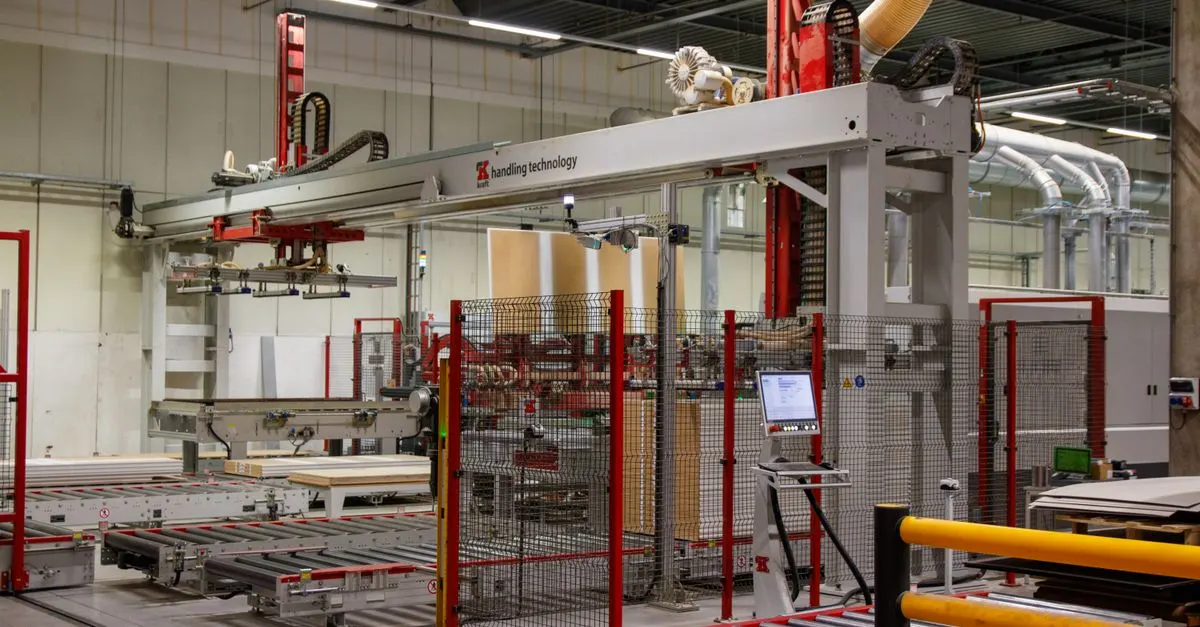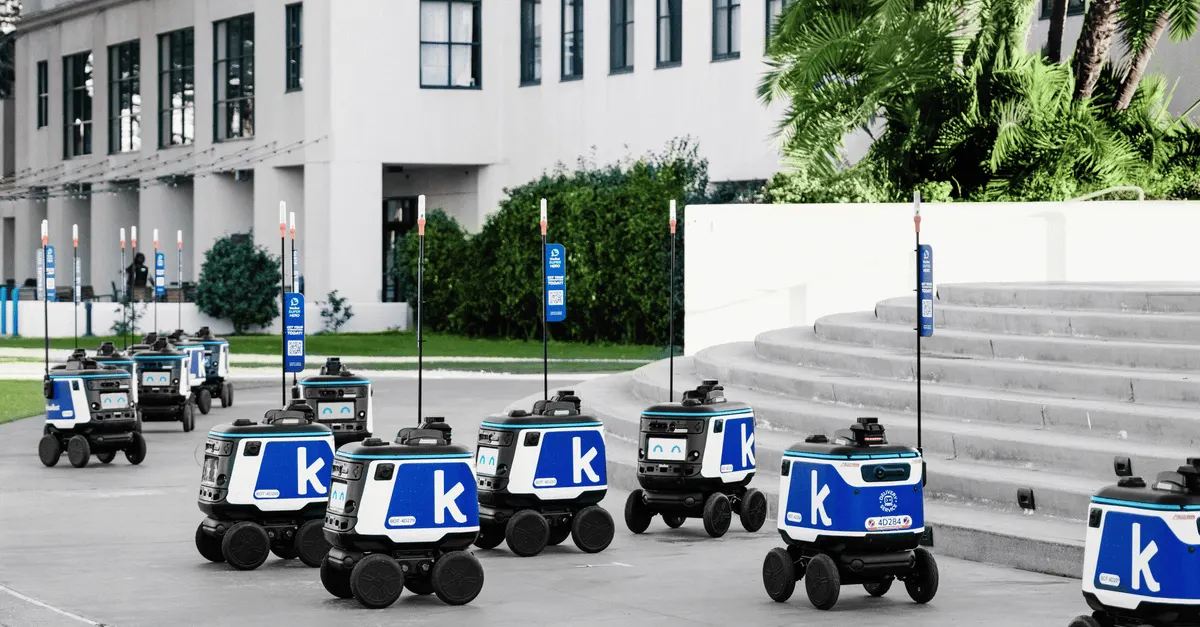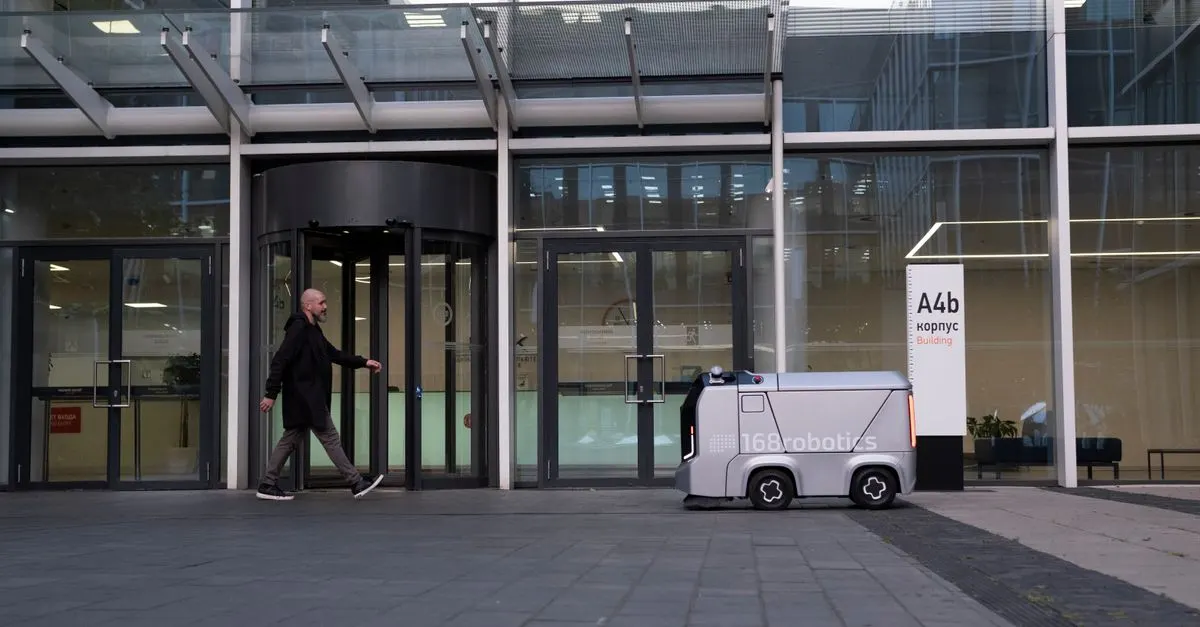
The robotics industry faces an unexpected bottleneck as deployments expand beyond controlled environments: the people required to operate, maintain, and continuously refine these systems in real-world conditions.
When robotics programs begin, they typically rely on small, specialized teams working closely with a handful of deployed units in predictable settings. Engineers stay intimately connected to the hardware, operators receive intensive training, and problems surface quickly within tight feedback loops. This model works effectively at modest scale. But the approach fractures when organizations attempt to deploy dozens of robotic systems across multiple locations, operating schedules, and variable physical environments.
According to The Robot Report, this transition marks a fundamental shift from treating robotics as a product launch to managing it as a distributed operations business. The challenge mirrors a pattern seen in AI labor practices over the past decade.
From Task Work to Judgment-Based Operations
Early computer vision systems depended on simple, scalable data labeling distributed across broad labor pools. As AI evolved toward large language models, the required work shifted from discrete, repetitive tasks toward roles demanding judgment, contextual understanding, and quality oversight. That evolution forced a move away from loosely coordinated gig-based models toward structured teams with clear accountability.
Physical AI is undergoing the same transformation, with significantly higher consequences. When intelligent machines operate in warehouses, hospitals, factories, and public spaces, quality metrics extend beyond model accuracy. They encompass system uptime, operational safety, equipment durability, and user experience in unpredictable real-world conditions.
This reality exposes weaknesses in how many organizations design their workforces. Traditional gig labor and purely task-based models struggle in environments requiring consistent shift coverage, safety certification, location-specific procedures, and formal escalation structures. In practice, successful robotics deployments increasingly prioritize accountability and procedural consistency over raw operational throughput.
Emerging Hybrid Workforce Structures
Leading organizations are adopting hybrid labor models built around several layers:
- A stable foundation of salaried operators and technicians responsible for baseline execution and adherence to standard operating procedures
- A flexible external layer providing surge capacity for pilot deployments, new site launches, and specialized tasks
- Often balanced roughly equally between permanent and variable capacity, adjusting as systems mature
These expanding teams include role categories that don't fit traditional organizational structures: robot operators, field technicians, teleoperators, QA validators, and data capture specialists. These positions sit between engineering and operations, requiring workers to interpret unexpected scenarios, document failures, and translate field observations into actionable engineering feedback.
Incentives Matter More Than Speed
Performance measurement for these roles differs fundamentally from earlier digital labor approaches. Speed-focused metrics actually degrade results in physical robotics environments. Instead, successful organizations emphasize procedural adherence, documentation quality, escalation accuracy, and safe decision-making under uncertainty.
Scaling robotics ultimately requires organizational sophistication matching the technical sophistication of the machines themselves. The next wave of growth won't be defined simply by advances in machine autonomy. Success depends on whether companies can reliably scale human judgment at the same pace as machine intelligence, across distributed locations and variable conditions.