A new generation of manufacturing software is transforming how factories operate by injecting artificial intelligence and adaptive automation into existing production lines. Rather than replacing equipment wholesale, companies can now retrofit legacy machinery with intelligent control systems that unlock capabilities once reserved for brand-new facilities.
According to The Robot Report, this shift toward software-defined manufacturing represents a pragmatic approach to industrial modernization. The concept centers on decoupling production logic from physical hardware, allowing manufacturers to adapt their operations dynamically based on demand, product specifications, and real-time conditions.
Bridging the Legacy Equipment Gap
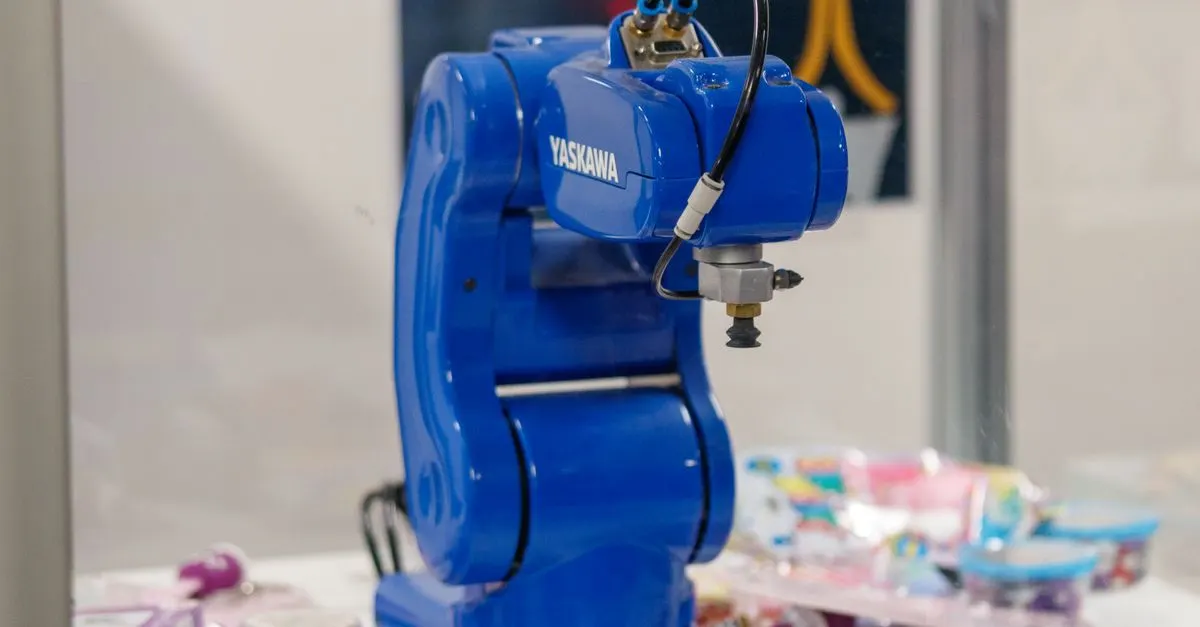
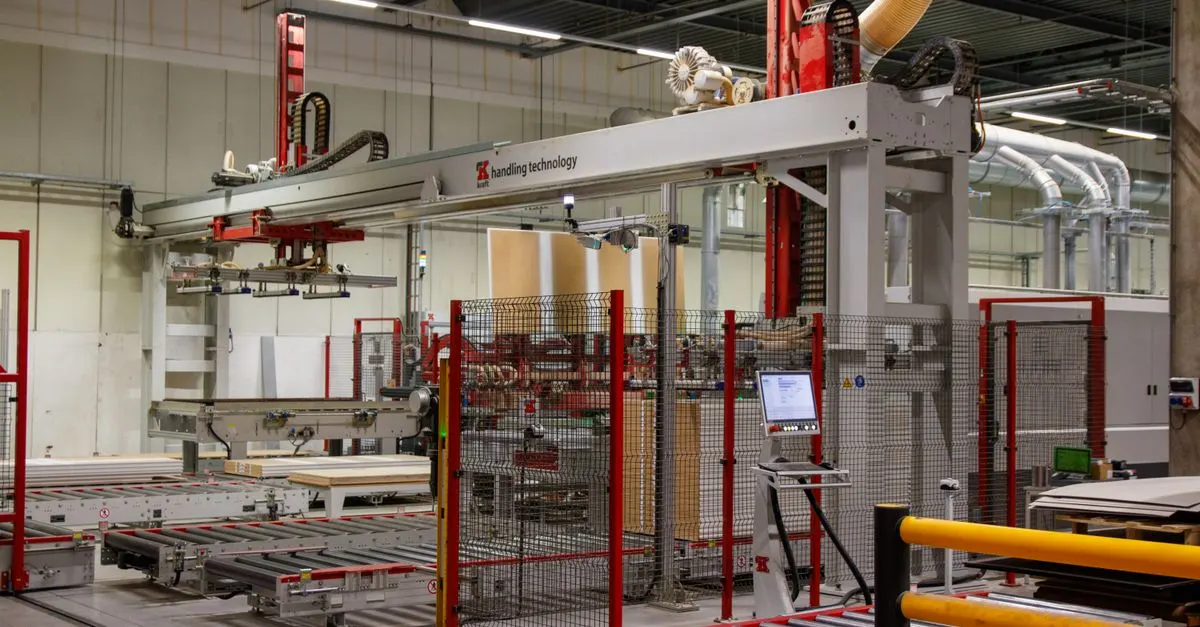
The economics of factory modernization have long posed a challenge for smaller and mid-sized manufacturers. Replacing an entire production line costs millions and requires extended downtime. Software-defined platforms offer an alternative: integrate AI vision systems, autonomous robotics, and machine learning algorithms into existing machinery through unified control software.
Companies like R2 Labs, a Georgia-based smart manufacturing technology provider, have developed controller platforms that connect disparate equipment and legacy systems into coordinated production environments. The approach allows factories to compete with newer facilities on flexibility and efficiency without capital-intensive replacements.
AI Vision and Adaptive Control in Action
The practical applications extend across multiple manufacturing scenarios. AI-powered visual inspection systems can now identify defects that human operators miss. Machine learning algorithms optimize routing decisions, scheduling, and resource allocation in real time. Advanced robotics becomes accessible to facilities that previously lacked the automation infrastructure.
This software-centric model also addresses a critical industry challenge: the shortage of skilled manufacturing workers. Automation augments existing labor forces rather than displacing them, allowing operators to focus on higher-value tasks while systems handle repetitive, dangerous, or precision-critical work.
The Broader Industry Shift
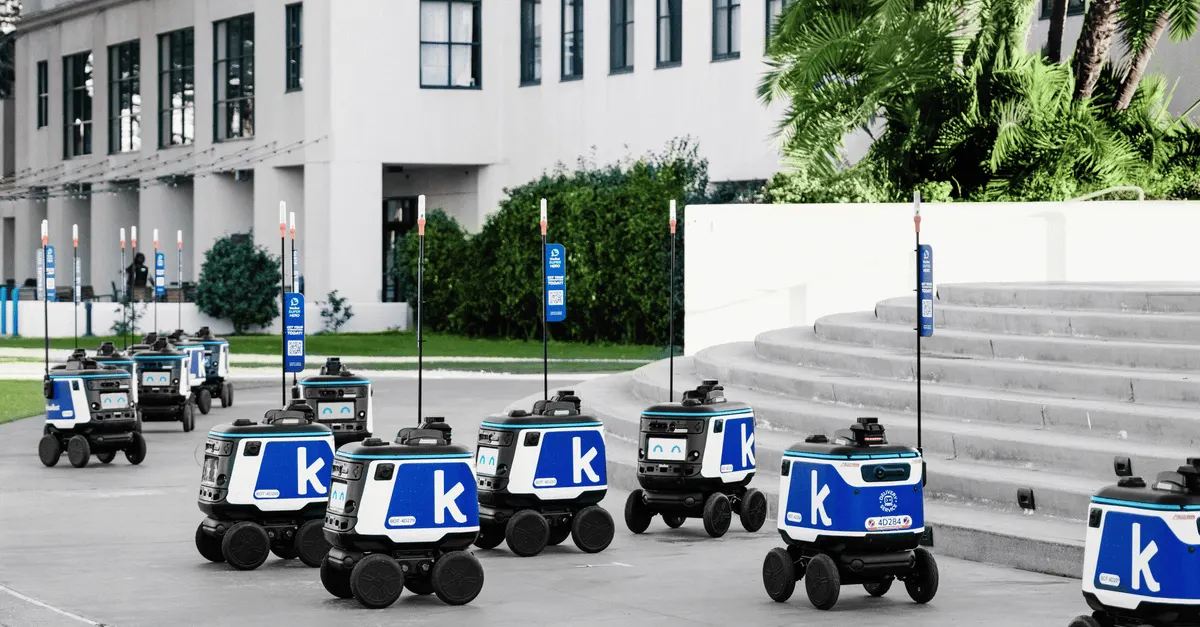
The momentum behind software-defined manufacturing aligns with broader trends in the robotics and AI industries. Autonomous delivery systems, humanoid robotics startups going public, and new safety stack innovations all point toward a maturation of production automation technology. The sector increasingly recognizes that hardware alone cannot deliver competitive advantage; intelligent software orchestration determines success.
For manufacturers facing legacy equipment decisions, the implications are significant. Factories no longer face binary choices between maintaining outdated systems or undertaking expensive modernization projects. Software-defined approaches enable incremental, intelligent upgrades that improve productivity, reduce errors, and enhance worker safety.
This evolution also creates opportunities for technology providers. Rather than competing solely on robotics hardware or equipment sales, vendors can now position themselves as partners in comprehensive factory intelligence, capturing value through software licensing, integration services, and ongoing optimization.
As supply chains become more volatile and product lifecycles shorten, manufacturing flexibility has emerged as a competitive imperative. Software-defined production systems deliver that flexibility by allowing rapid reconfiguration, precise adaptation, and continuous improvement without the constraints of rigid, hardware-dependent operations.