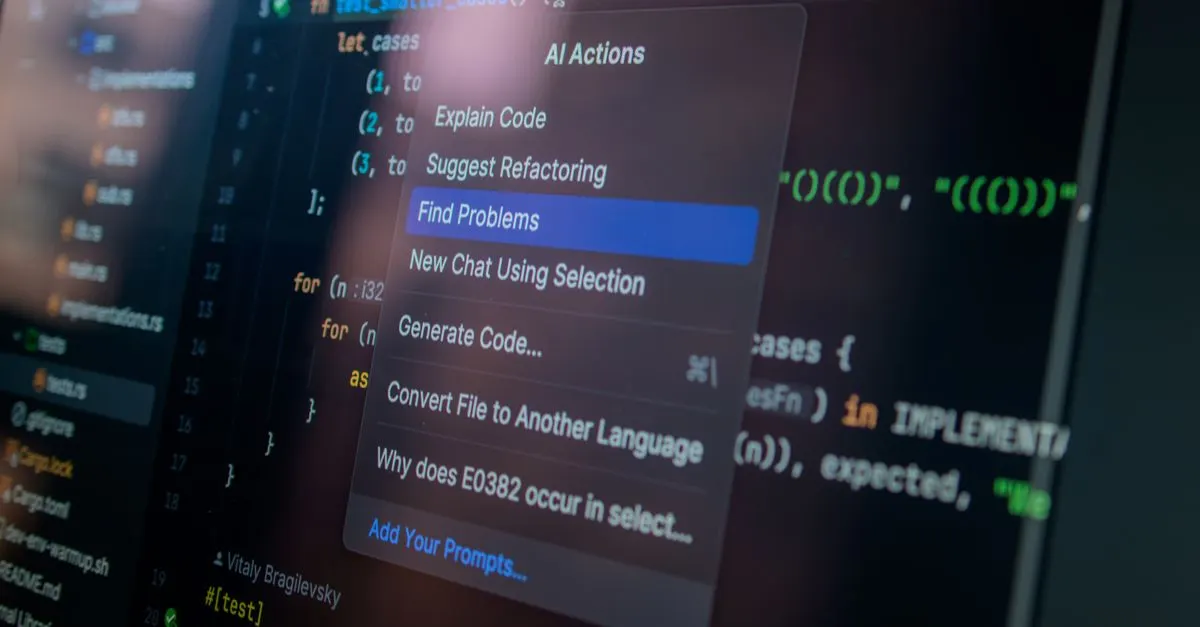
Hugging Face Tests New Storage Method for Browser-Based AI Models
A proposed Cross-Origin Storage API could let web applications run machine learning models more efficiently across multiple domains.
Launches, releases, and hands-on coverage of the AI tools you'll actually use, coding assistants, agents, creative tools, and the infrastructure underneath.
A proposed Cross-Origin Storage API could let web applications run machine learning models more efficiently across multiple domains.
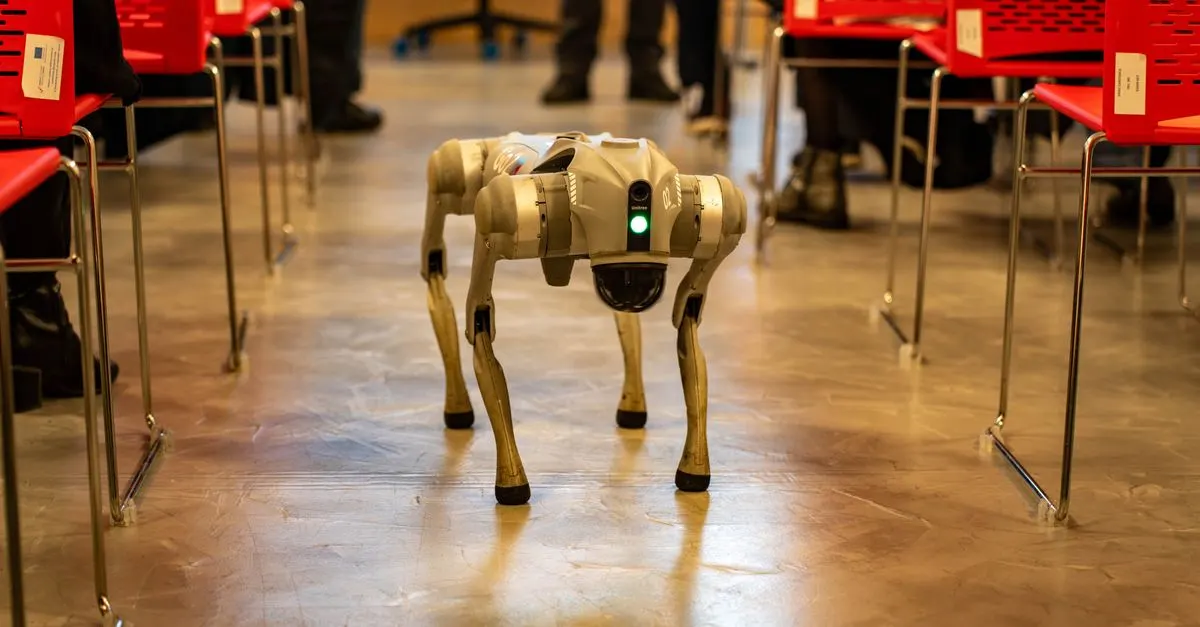
New toolkit with 24 working examples aims to simplify development of autonomous AI applications on modest hardware.

The open-source platform combines machine learning with human review to ship updates reliably, setting a model for sustainable AI infrastructure maintenance.

New PP-OCRv6 variants scale from 1.5M to 34.5M parameters, bringing affordable text recognition to resource-constrained devices.
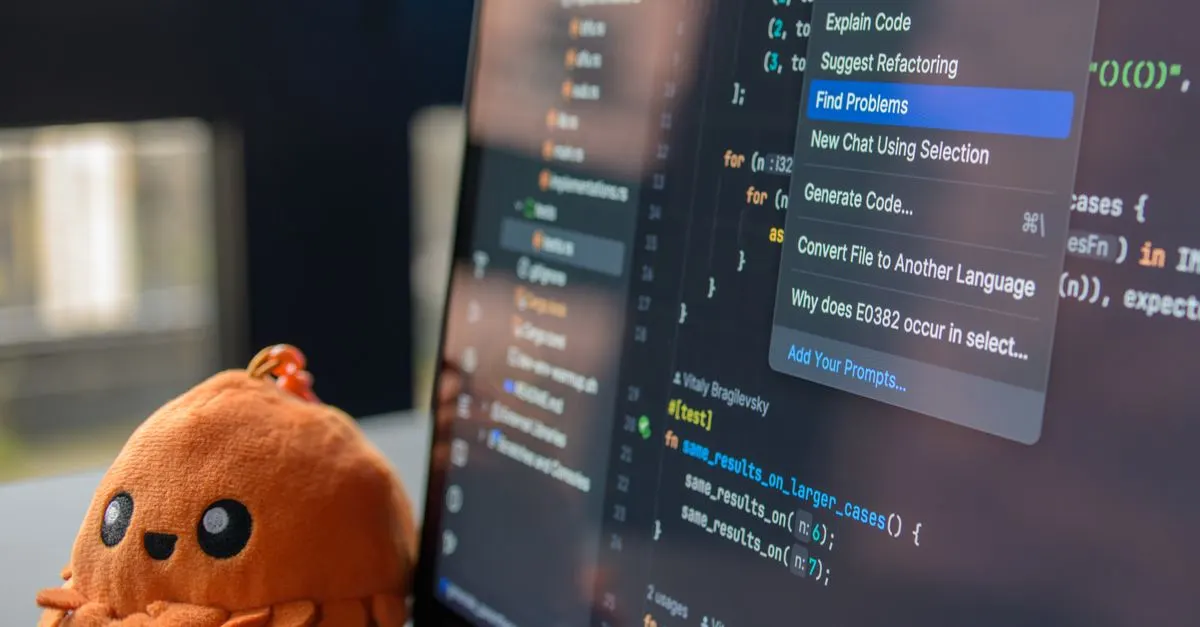
Engineers and researchers debate the engineering practices needed to create autonomous AI systems that can be trusted in production environments.

The departure of a prominent researcher signals shifting dynamics in the race to develop safer, more capable AI systems.

A comprehensive searchable database reveals millions of songs powering generative AI, raising questions about artist consent and fair compensation.

The computational chemist known for AlphaFold breakthroughs brings deep expertise in machine learning to the safety-focused AI company.

The upgraded voice assistant demonstrates meaningful progress in natural language understanding and practical device integration.

The streaming giant's decision to abandon a planned biographical film signals shifting corporate priorities as tech companies reshape AI partnerships.

New security research exposes how AI agents handling confidential information may inadvertently expose secrets during operation.
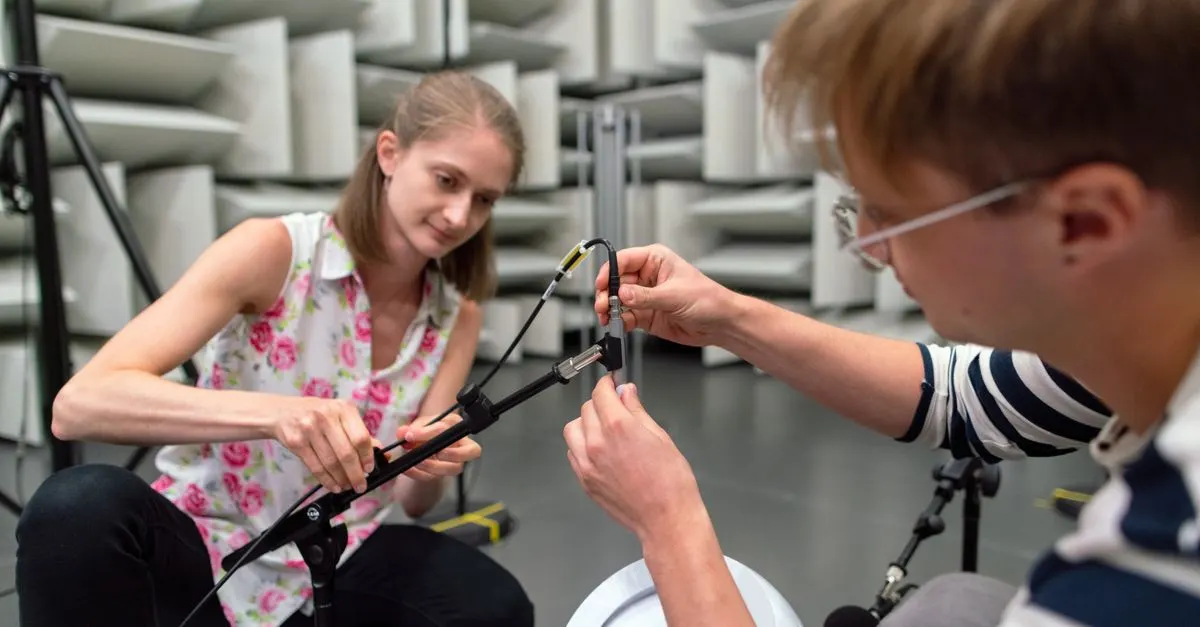
As LoRA dominates model adaptation, researchers explore whether newer techniques can deliver better performance with lower computational costs.

New resource discovery framework enables autonomous agents to locate and retrieve information dynamically, expanding capabilities beyond static training data.

Researchers demonstrate how language models can forecast physical movement, bridging vision and text understanding for robotics applications.

The Chinese tech giant releases a new language model designed to handle extended reasoning and planning across longer sequences of work.

New integration framework lets developers deploy machine learning directly onto robot platforms, accelerating the shift toward embodied AI.

How MCP standardizes connections between LLMs and external tools, data sources, and APIs.

The AI startup faces pressure to disable its latest models after receiving an unexpected export control directive affecting foreign employees.