
Researchers Unify Image Understanding and Generation in Single AI Model
New framework eliminates fragmented visual processing, enabling AI systems to interpret their own outputs without redundant recoding steps.
Papers, breakthroughs, benchmarks, and the long-arc trends shaping artificial intelligence. arXiv highlights and lab announcements, distilled.
New framework eliminates fragmented visual processing, enabling AI systems to interpret their own outputs without redundant recoding steps.

New framework lets deployed robots improve performance in real time by verifying their own actions, eliminating the need for constant human supervision.
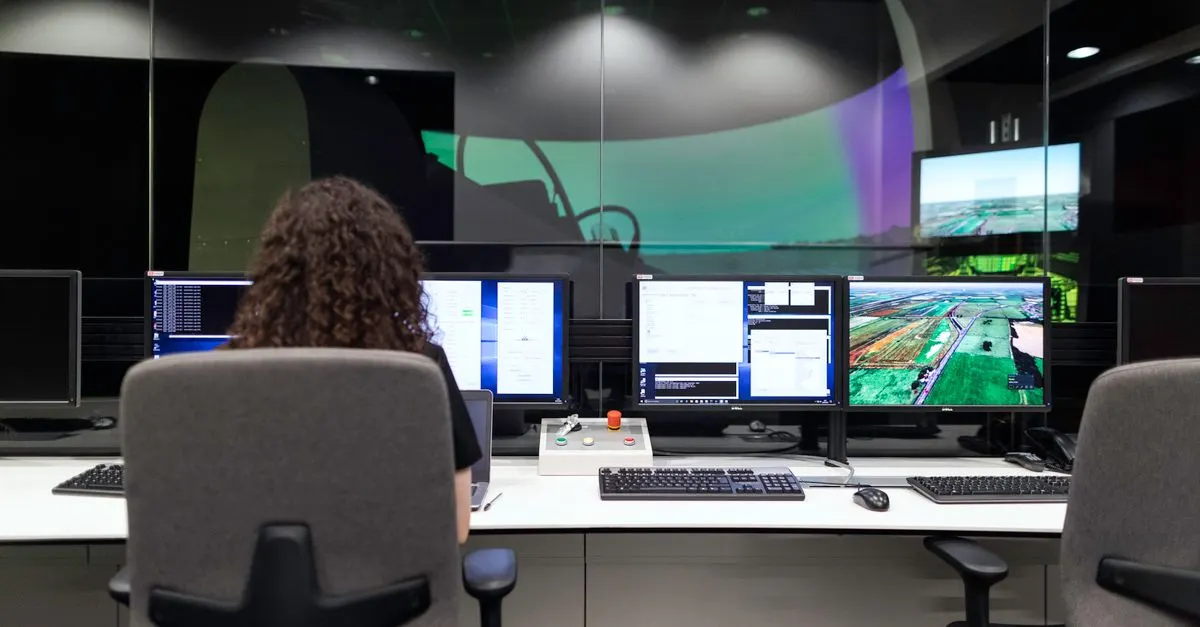
Researchers separate motion from environment to solve a fundamental problem in how machines understand dynamic scenes.

A new machine learning system aims to cut planning delays that have constrained Britain's residential construction for years.
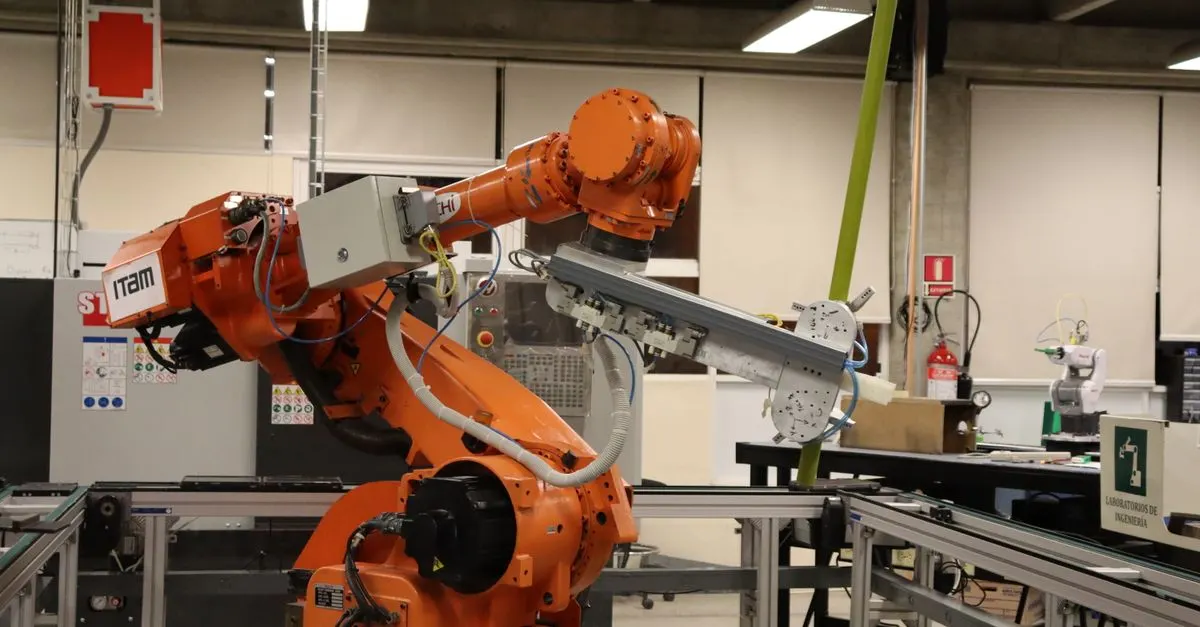
A new approach harnesses spatial reasoning to improve how robots understand and execute complex physical tasks from language instructions.

Researchers derive exact mathematical formula for improving diffusion models on inverse problems, cutting computational costs tenfold.

Researchers develop reinforcement learning technique that dramatically improves how language models locate critical information in complex data.

BRDFusion combines machine learning with physical modeling to enable controllable 3D scene editing from video, advancing applications from autonomous driving simulation to film production.

New study reveals that AI systems encode goal-progress estimates that influence their confidence and decision-making patterns.

Hacker News users debate whether the AI safety company actively sought involvement in a contentious situation or found itself caught in broader industry dynamics.

Researchers build pipeline that extracts deep structural knowledge from research documents to power more capable AI agents.
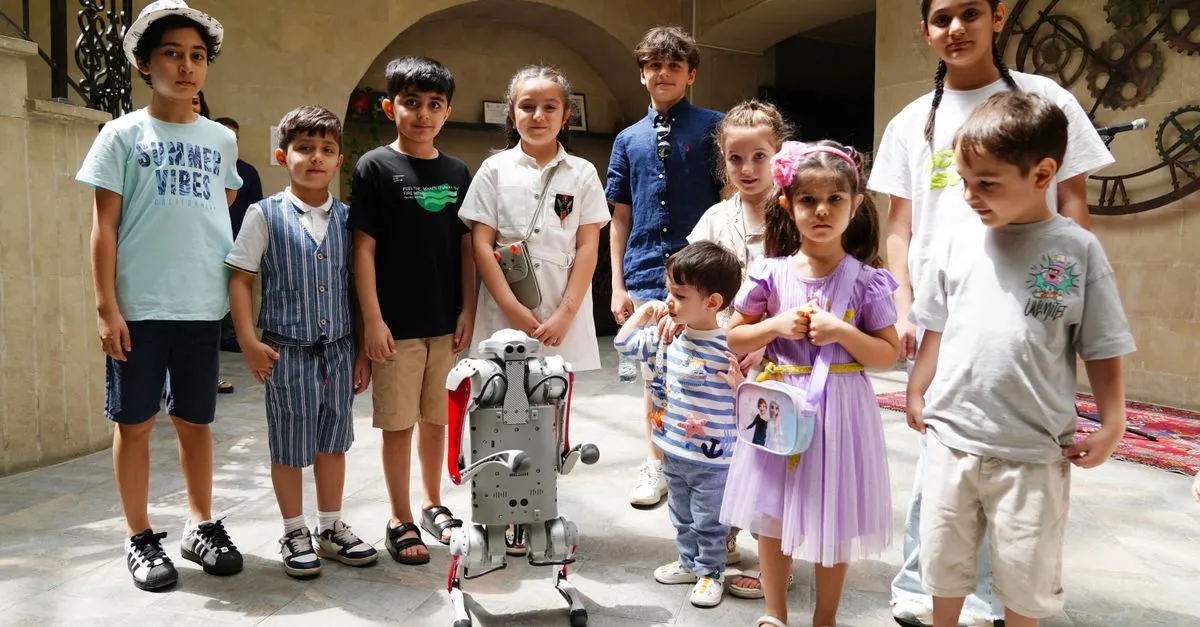
New research shows vision language models can read human feelings better than traditional AI, but emotional intelligence alone cannot overcome performance failures.

New study reveals that practical shortcuts used in graph neural networks sacrifice theoretical power in ways previously unknown to the field.

New research reveals that knowledge distillation preserves sparse, geometrically distinct parameter changes rather than dense overwriting.
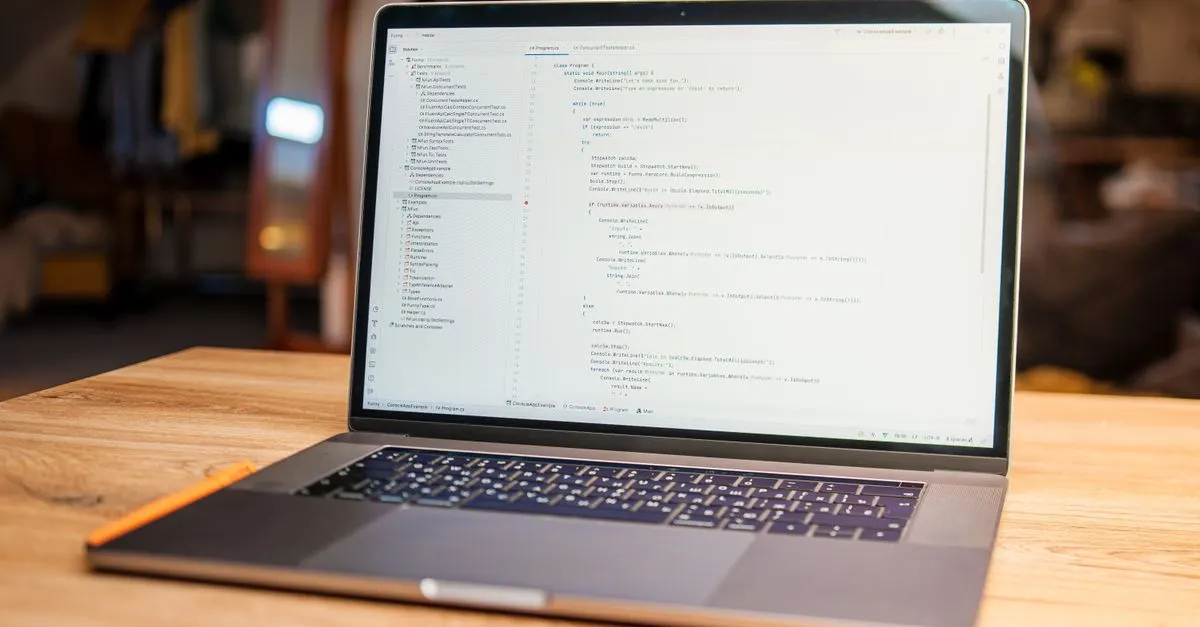
Researchers propose SpatialClaw, which uses executable code to help vision-language models understand complex spatial relationships and adapt reasoning on the fly.
Researchers argue that sculpting computational environments, not just algorithms, is key to unlocking autonomous scientific breakthroughs.

RepWAM advances robot learning by prioritizing meaningful action representations over pixel-perfect reconstruction.
Researchers find large language models can verify research findings at scale, outperforming human reviewers on some metrics.