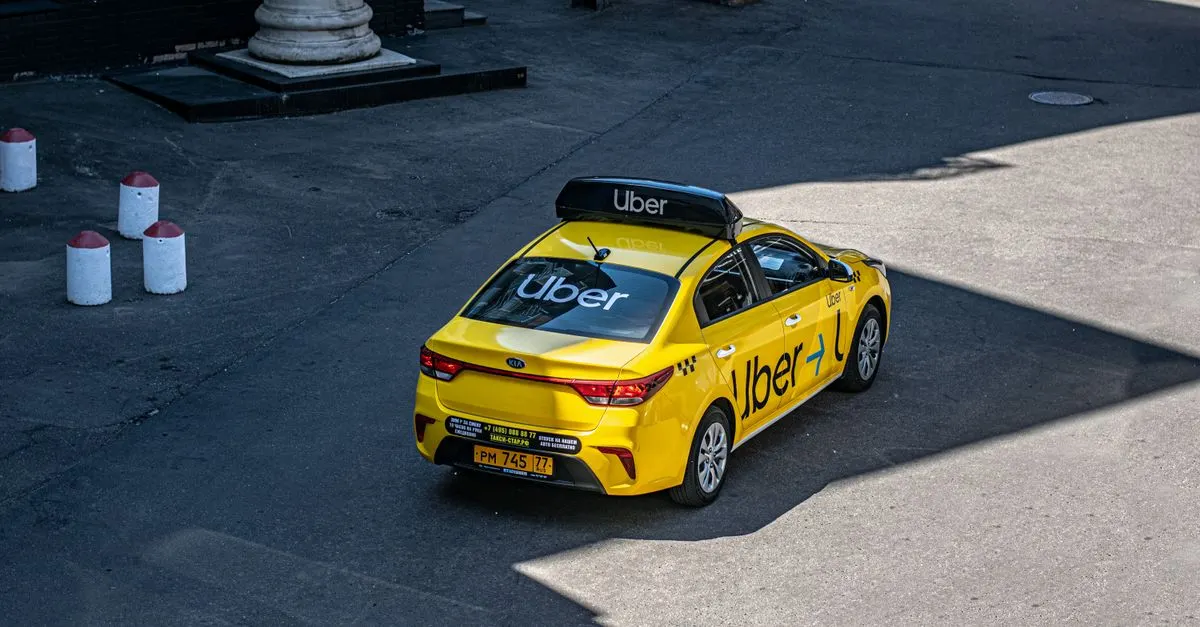
Wayve, the artificial intelligence startup developing autonomous driving software, has achieved a significant regulatory victory in London. Transport for London has granted Private Hire Vehicle licenses to a fleet of Ford Mustang Mach-E vehicles equipped with Wayve's self-driving stack, according to AI Weekly. The approval represents a watershed moment for autonomous vehicle deployment in one of the world's most tightly regulated transportation markets.
The licensing decision carries particular weight because it resolves what regulators call the "triple-lock" framework. Under this system, three distinct entities must independently satisfy licensing requirements: the vehicle operator, the human safety driver, and the vehicle itself. London's approval means all three components now operate under a unified regulatory authority, simplifying oversight and creating clearer accountability structures for autonomous operations.
What "Robotaxi" Means in Practice
The distinction between theoretical autonomous vehicles and actually deployable robotaxis hinges on how the technology operates in real-world conditions. Wayve's licensed fleet will operate under specific constraints that reflect the current state of the technology. Rather than fully driverless operation, the vehicles will carry trained operators who can intervene when needed. This hybrid model allows the company to gather real-world performance data while maintaining safety margins that regulators require.
The approach reflects a broader industry consensus: before vehicles can operate without human supervision, they must demonstrate consistent reliability across varied conditions. Wayve's approval includes restrictions on routes, weather conditions, and hours of operation. These guardrails protect public safety while creating a controlled environment where the system can learn and improve.
Competition and Industry Implications

Wayve's London success positions the company ahead of competitors pursuing similar regulatory pathways. The approval validates the company's machine learning approach to autonomous driving, which emphasizes end-to-end neural networks rather than hand-coded driving rules. This methodology has generated considerable debate within the autonomous vehicle industry, with proponents arguing it better replicates human driving intuition and critics raising concerns about interpretability and safety validation.
The regulatory approval also signals that major cities are willing to accommodate autonomous vehicle trials under appropriate oversight mechanisms. London's decision could influence transportation authorities elsewhere, potentially accelerating deployment timelines for other autonomous vehicle companies pursuing similar licenses. However, the restrictive conditions attached to Wayve's approval indicate that regulators remain cautious about unsupervised autonomous operations.
Technical and Commercial Significance
For Wayve specifically, the license represents validation of years of development and testing in urban environments. The company has focused on learning from real-world driving data rather than relying exclusively on simulation. This approach requires extensive operational experience to build robust models, making regulatory approval for real-world testing essential to the company's trajectory.
The rollout will provide crucial information about how Wayve's self-driving stack performs at scale in a complex metropolitan environment. Data collected from London operations will inform the company's product roadmap and help identify edge cases that training data may not have adequately covered. This iterative approach to autonomy development remains the industry standard, despite aspirations for rapid deployment.
"The licensing decision carries particular weight because it resolves what regulators call the triple-lock framework."
Looking forward, Wayve's London approval establishes a template for other autonomous vehicle developers seeking deployment in highly regulated markets. The combination of technical capability, regulatory cooperation, and iterative validation creates a model that balances innovation with public safety concerns. Whether this pathway leads to widespread autonomous vehicle adoption depends on sustained performance improvements and continued regulatory confidence over time.