Uber has completely withdrawn its ownership stake in Serve Robotics, marking a significant retreat from the autonomous delivery sector. According to AI Weekly, the company offloaded its entire investment during the second quarter, with the transaction disclosed through a regulatory filing that caught Serve by surprise.
The divestment closes a chapter that began when Uber acquired Postmates for $2.65 billion in 2020. That transaction eventually led to Serve's creation as an independent spinout the following year, positioning the robotics company to develop autonomous delivery systems for urban environments. The partnership represented Uber's most tangible bet on physical automation in last-mile logistics.
What Changed
The deterioration of this relationship reflects broader market dynamics facing delivery platforms. Uber Eats experienced growth across 17 consecutive quarters, yet the economics of sustaining a dedicated robotics partnership apparently no longer aligned with corporate strategy. The decision to divest suggests that autonomous delivery solutions have not yet achieved the operational scale or cost advantages necessary to justify ongoing investment.
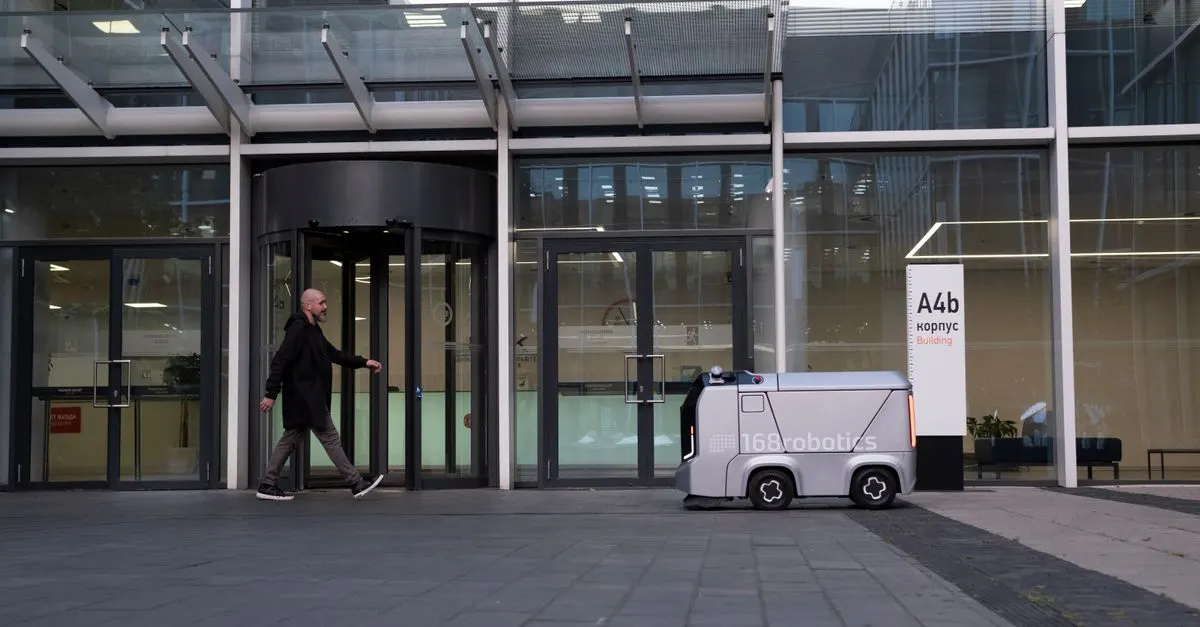
Serve Robotics, founded by former Postmates engineers, focused on developing small wheeled robots capable of navigating sidewalks and managing final-mile delivery without requiring human couriers. The technology represented a compelling vision for addressing labor constraints and delivery costs. However, the gap between prototype capabilities and reliable, profitable deployment proved wider than initial expectations.
Industry Implications
This exit carries weight beyond a single corporate transaction. It underscores the challenges facing robotics companies attempting to commercialize autonomous systems in real-world urban settings. Key obstacles include:
- Regulatory uncertainty around autonomous vehicle operations in city environments
- Infrastructure limitations requiring significant municipal coordination
- Competing labor economics favoring human couriers over capital-intensive robots
- Technical hurdles in navigating complex urban terrain reliably
Uber's pivot away from this venture does not eliminate the long-term potential of autonomous delivery robots. Rather, it suggests that the business case remains unproven at scale. For investors and entrepreneurs developing similar technologies, the move signals that major platforms are reconsidering commitments to robotics solutions that lack clear paths to profitability.
What's Next
Serve Robotics will need to identify alternative sources of capital or demonstrate compelling use cases that justify continued operation independent of Uber's backing. Other delivery companies and logistics providers may still see value in autonomous solutions, particularly for specific geographic markets or operational scenarios where cost savings exceed implementation expenses.
The episode illustrates a broader pattern in artificial intelligence and robotics investment: the distance between technological feasibility and commercial viability remains substantial. Autonomous systems excel in controlled environments but struggle with the complexity, variability, and regulatory friction of real urban deployment. For Uber, reducing exposure to this uncertainty appears to have become the more prudent strategic choice.