Tyler Shultz, the former Theranos employee whose testimony proved instrumental in convicting Elizabeth Holmes of fraud, is raising fresh alarms about deceptive practices taking hold in the artificial intelligence sector. Speaking to the San Francisco Standard and reported by TechCrunch, Shultz drew explicit parallels between the opacity that enabled the now-defunct blood-testing company's elaborate hoax and the current conditions surrounding AI commercialization.
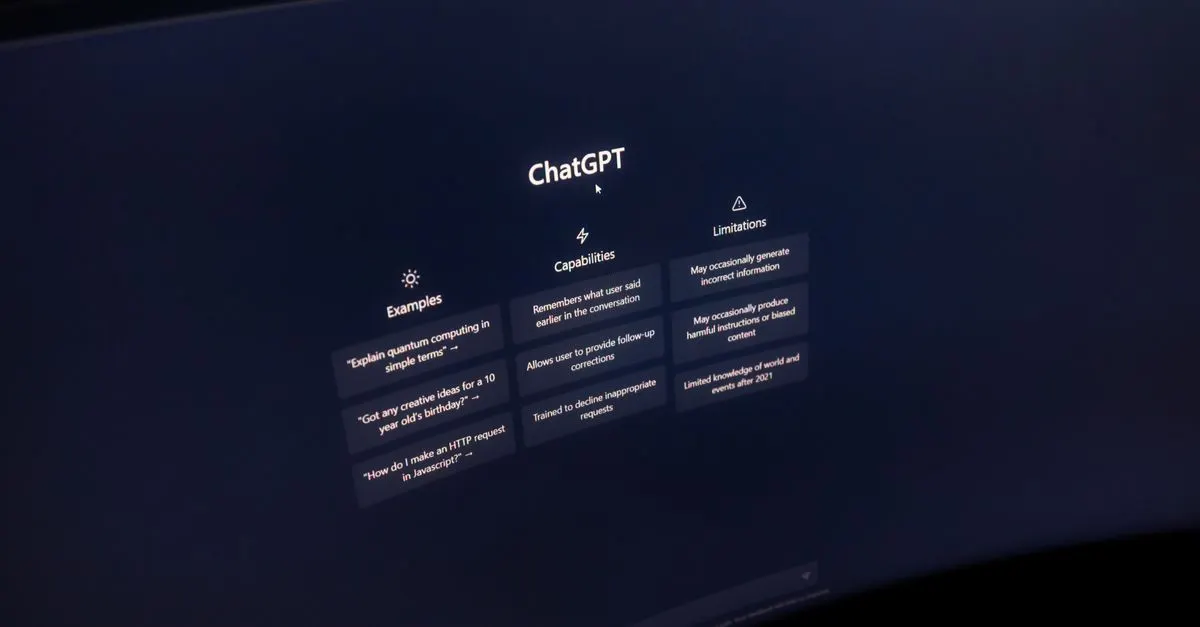
The comparison cuts to a fundamental vulnerability in how the technology industry validates AI claims. According to AI Weekly, Shultz emphasized that distinguishing between genuine innovation and superficial applications built atop existing platforms has become remarkably difficult. He specifically cited the proliferation of what he termed "ChatGPT wrappers," referring to interfaces that rebrand existing large language models without meaningful differentiation.
"A huge danger with AI is that I think it is really hard to do due diligence on it," Shultz explained in the interview. "It's really hard to tell the difference between what is something truly unique and new versus like, a ChatGPT wrapper. If you want to deceive people, I think this is a great opportunity to go deceive people."
The Verification Crisis
Shultz's warning touches on a growing concern among industry observers and regulators. Unlike traditional software or hardware products, AI systems operate through processes that resist straightforward inspection. The mathematical complexity of deep learning models, combined with proprietary training data and obscure optimization techniques, creates barriers to meaningful technical review.
Venture capital firms, corporate boards, and investors increasingly struggle to assess whether an AI startup has achieved technical breakthroughs or merely applied existing models in novel packaging. This gap between perception and reality creates conditions ripe for misrepresentation, whether intentional or through overstatement.
Lessons From Theranos

Theranos cultivated an aura of innovation while its core technology malfunctioned. The company's executives made claims about blood-testing capabilities that the devices simply could not deliver. Regulatory bodies and business partners failed to catch the deception until whistle-blowers like Shultz came forward.
The AI sector faces a different but analogous challenge. Many startups make sweeping claims about their models' capabilities, training efficiency, or market readiness. Proper auditing would require technical expertise, access to training methodologies, and time for independent verification. Few investors or corporate partners invest in such rigorous assessment.
Distinguishing Real Progress From Hype
The current AI boom has generated billions in funding and astronomical valuations for companies at widely varying stages of maturity. Some firms have developed genuinely novel approaches to machine learning. Others have simply applied transformer models to different domains without fundamental innovation.
Shultz's concern extends beyond individual bad actors. The systemic difficulty of performing due diligence on AI systems means that even well-intentioned founders and investors may struggle to accurately represent their achievements. The absence of clear benchmarks and standardized evaluation methods exacerbates this challenge.
As AI systems become more integral to critical sectors including healthcare, finance, and public safety, the stakes for accurate representation only increase. Shultz's warnings suggest that the industry requires stronger mechanisms for independent technical verification and clearer standards for what constitutes genuine innovation versus incremental application of existing tools.