Murata Manufacturing is making a substantial bet on artificial intelligence hardware. The Japanese electronics giant announced plans to invest ¥1 trillion (approximately $6.3 billion) over the next five years to significantly expand production of multilayer ceramic capacitors (MLCCs), the tiny but essential components that power modern AI infrastructure.
According to AI Weekly, Murata will direct this capital toward manufacturing facilities across Japan, the Philippines, China, and Thailand. The expansion targets a straightforward goal: doubling the company's capacity to produce MLCCs as data center operators worldwide race to build out AI computing infrastructure.
Why This Matters for the AI Industry
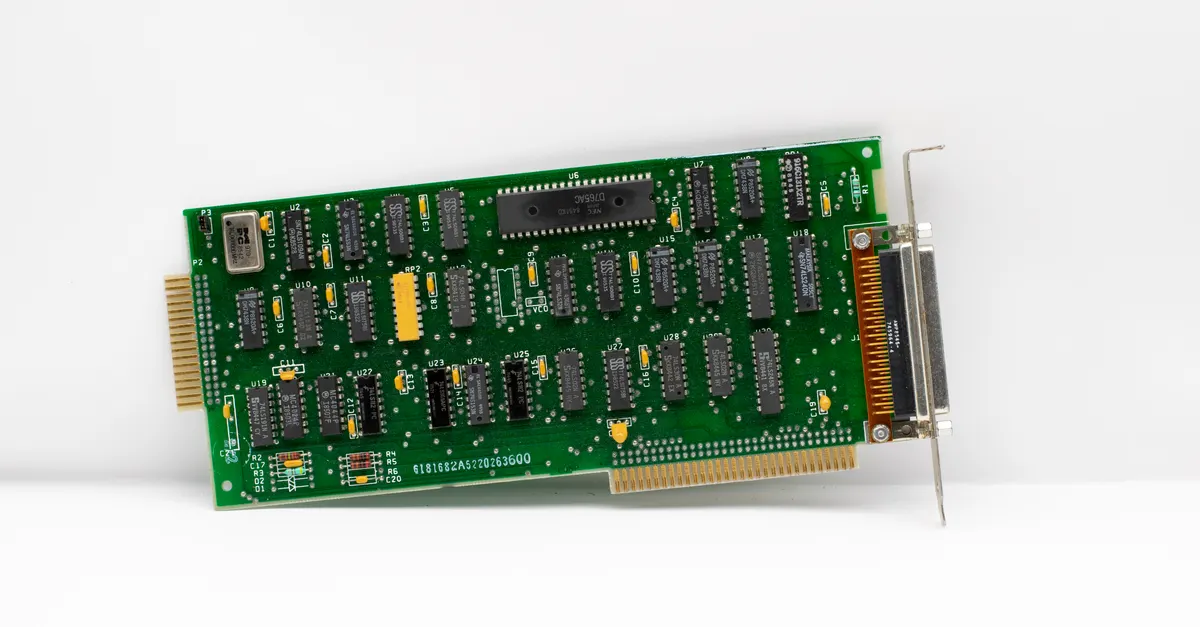
MLCCs are among the most critical yet invisible components in AI server architecture. Each individual AI server requires between 15,000 and 25,000 of these capacitors, a significant increase from previous estimates of 10,000 to 20,000 units per server. These components regulate power distribution and signal integrity across server boards, making them essential to reliable AI system operation.
Murata's dominance in this market underscores the company's strategic importance to global AI development. The manufacturer controls roughly 40 percent of the worldwide MLCC market, giving it outsized influence over AI hardware supply chains. This investment signals confidence that AI infrastructure buildout will remain robust well into the late 2020s.
Supply Chain Pressures Driving Expansion
The decision to expand MLCC production reflects mounting pressure on component suppliers. As major cloud providers like Amazon Web Services, Google, and Microsoft accelerate data center construction to support large language models and other AI applications, demand for passive electronic components has skyrocketed. Previous supply chain bottlenecks in semiconductor production have made companies like Murata acutely aware that component scarcity could become a limiting factor in AI deployment speed.
- Existing manufacturing capacity concentrated in Asia faces geographic constraints
- Diversifying production across multiple countries reduces single-point failure risks
- Scaling production timelines align with anticipated AI infrastructure build cycles through 2029
Broader Industry Implications
Murata's massive capital allocation reveals how AI's infrastructure demands cascade throughout electronics manufacturing. While attention typically focuses on cutting-edge semiconductors and specialized AI chips, companies providing foundational components like capacitors often face the most acute supply challenges. A shortage of MLCCs could theoretically constrain AI server production even if processors remained plentiful.
This investment also reflects a strategic shift toward securing market share in what many industry analysts expect to be a multi-decade AI infrastructure cycle. Unlike consumer electronics demand, which fluctuates with product cycles, data center buildout for AI appears positioned to sustain elevated growth for years.
Murata's expansion comes alongside similar moves by other component manufacturers to increase capacity. The broader electronics industry recognizes that AI infrastructure represents an unprecedented demand driver, and companies positioning themselves early in this transition could capture disproportionate value from the ongoing build cycle.