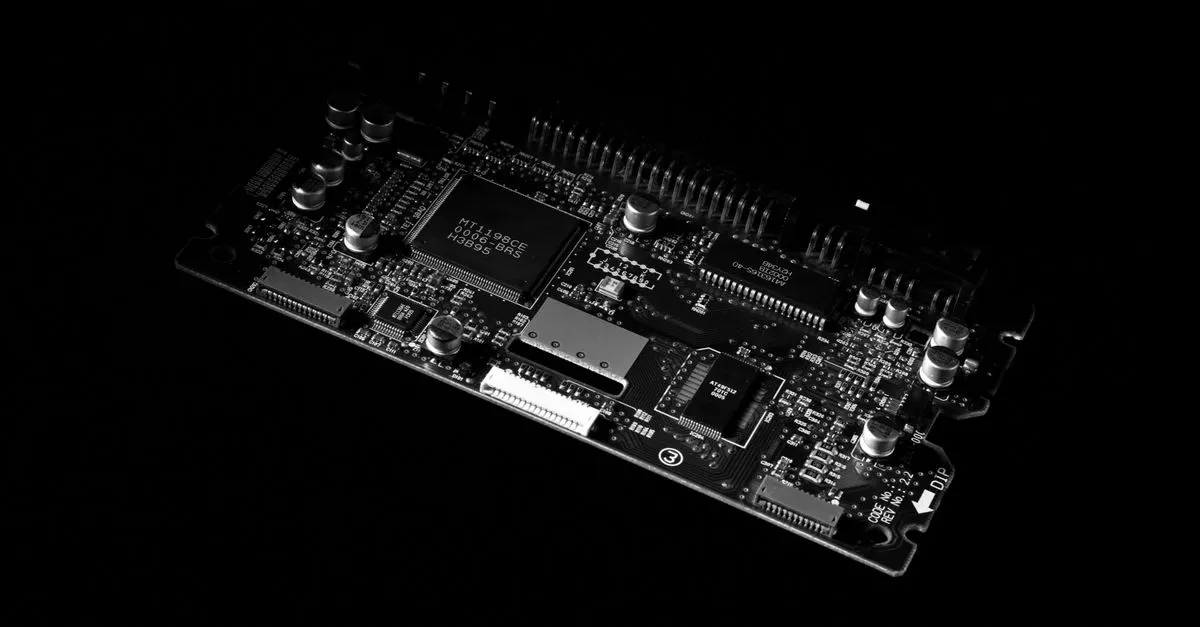
The Commerce Department is moving toward a significantly more permissive approach to regulating artificial intelligence chip exports, potentially allowing data center operators to circumvent existing safeguards on advanced computing infrastructure. According to AI Weekly, Commerce Secretary Howard Lutnick championed a revised policy framework that would limit restrictions to just seven nations: Singapore, Malaysia, Thailand, Indonesia, Brazil, South Africa, and Norway.
Reduced Scope and Lighter Oversight
The modified ruleset represents a substantial departure from the government's previous stance on controlling where American semiconductor technology flows. Rather than applying comprehensive restrictions across multiple jurisdictions, the narrowed version would focus exclusively on future chip shipments while replacing mandatory licensing requirements with a notification-only system.
Under the proposed framework, companies utilizing foreign data centers to train artificial intelligence models for Chinese customers would face notification obligations rather than automatic approval requirements from federal regulators. This distinction matters significantly for the speed and feasibility of international AI infrastructure deployments.
Implications for AI Development
The policy shift carries substantial consequences for how artificial intelligence systems are built and deployed globally. Data centers serving as training grounds for large language models and other advanced AI require enormous computational power, making chip access and geographic location critical commercial decisions for technology firms.
- Notification systems typically require less government review time than mandatory licensing
- Geographic restrictions under the narrower rule would exempt major Southeast Asian technology hubs
- Companies operating in covered nations would face fewer barriers to deploying AI infrastructure
- The approach prioritizes market access over export control enforcement
Industry Connections and Questions
The revision raises transparency concerns given that certain data center facilities that would benefit from the exemption maintain documented connections to figures with proximity to departmental leadership. Bitdeer, a Singapore-based operation managing advanced computing infrastructure including a major facility designated A201, falls within the spared jurisdictions and would experience reduced regulatory friction under Lutnick's proposal.
This positioning highlights recurring tensions between commerce-focused policy objectives and national security oversight. The Commerce Department traditionally balances economic competitiveness with foreign policy considerations, yet the direction of recent revisions consistently favors streamlined market operations over restrictive frameworks.
Broader Policy Trajectory
The move reflects broader disagreements within the Biden administration regarding how aggressively to police artificial intelligence development globally. Officials at the Commerce Department have increasingly advocated for flexibility in export controls, arguing that overly restrictive policies disadvantage American companies competing against international rivals.
However, security-focused agencies within the federal government maintain that unrestricted data center access in certain jurisdictions could enable training of advanced AI systems used for military or surveillance purposes, potentially undermining strategic advantages the United States currently holds in artificial intelligence capabilities.
The proposed narrower restrictions are expected to move through the regulatory approval process in coming weeks, with formal notice-and-comment periods likely to invite substantial opposition from both industry groups seeking maximum flexibility and security advocates pushing for maintenance of existing controls.